SewingGearWise
Sew smarter. Buy once.
Honest buying advice for people who sew at home. We explain what a machine is built to do, which features you will actually reach for, and where the manual that came with your own machine has the last word instead of a website.
Where home sewing usually starts
A handful of areas cover almost everything people ask in a first or second year at the machine. Pick the one that matches what is sitting on your table.
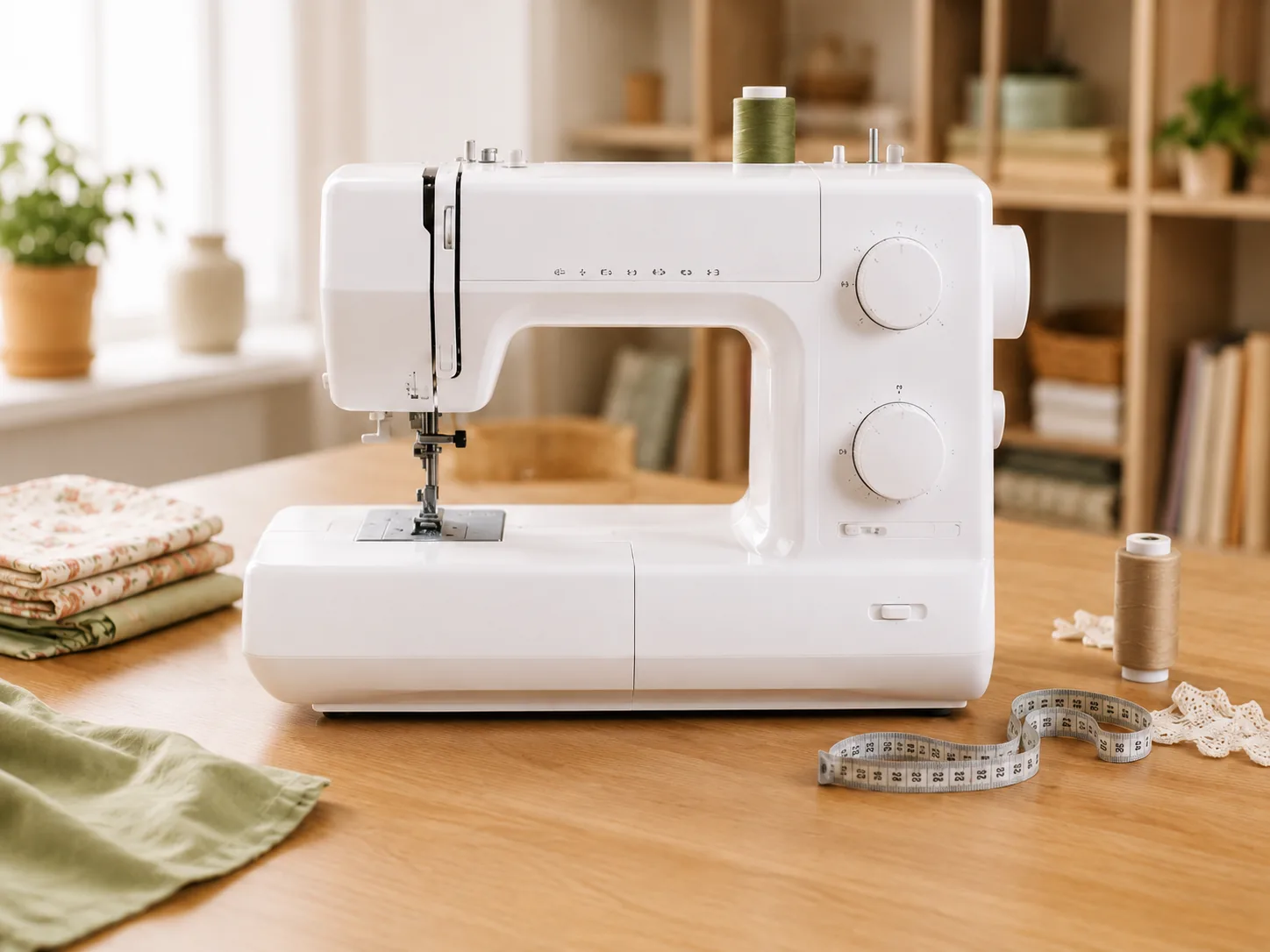
BeginnersYour first machine, picked on the features a beginner actually uses. Threading, bobbins, stitches and what to buy alongside it.Browse beginners ›
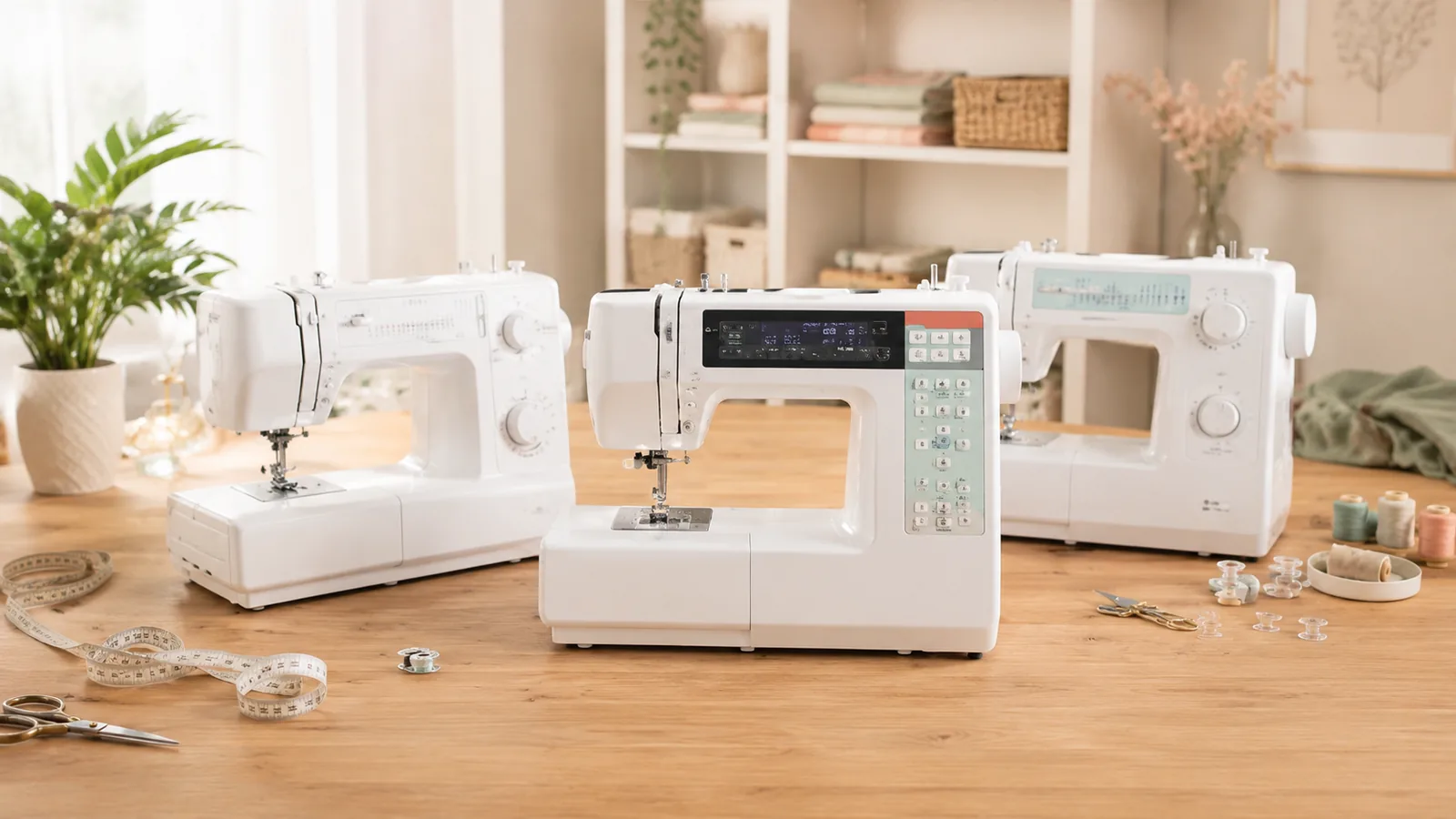
Brands and ModelsSinger, Brother, Janome and Juki lines explained, with model reviews of the machines people actually buy.Browse brands and models ›
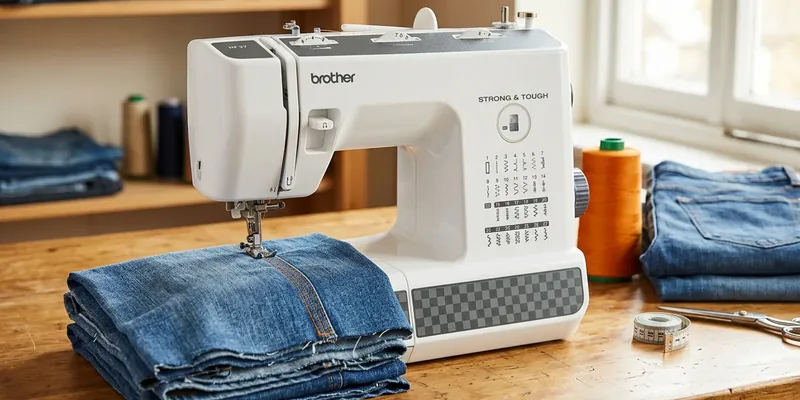
Heavy DutyDenim, canvas, upholstery and leather. Which machines take thick fabric, and the needles, feet and thread that make it work.Browse heavy duty ›
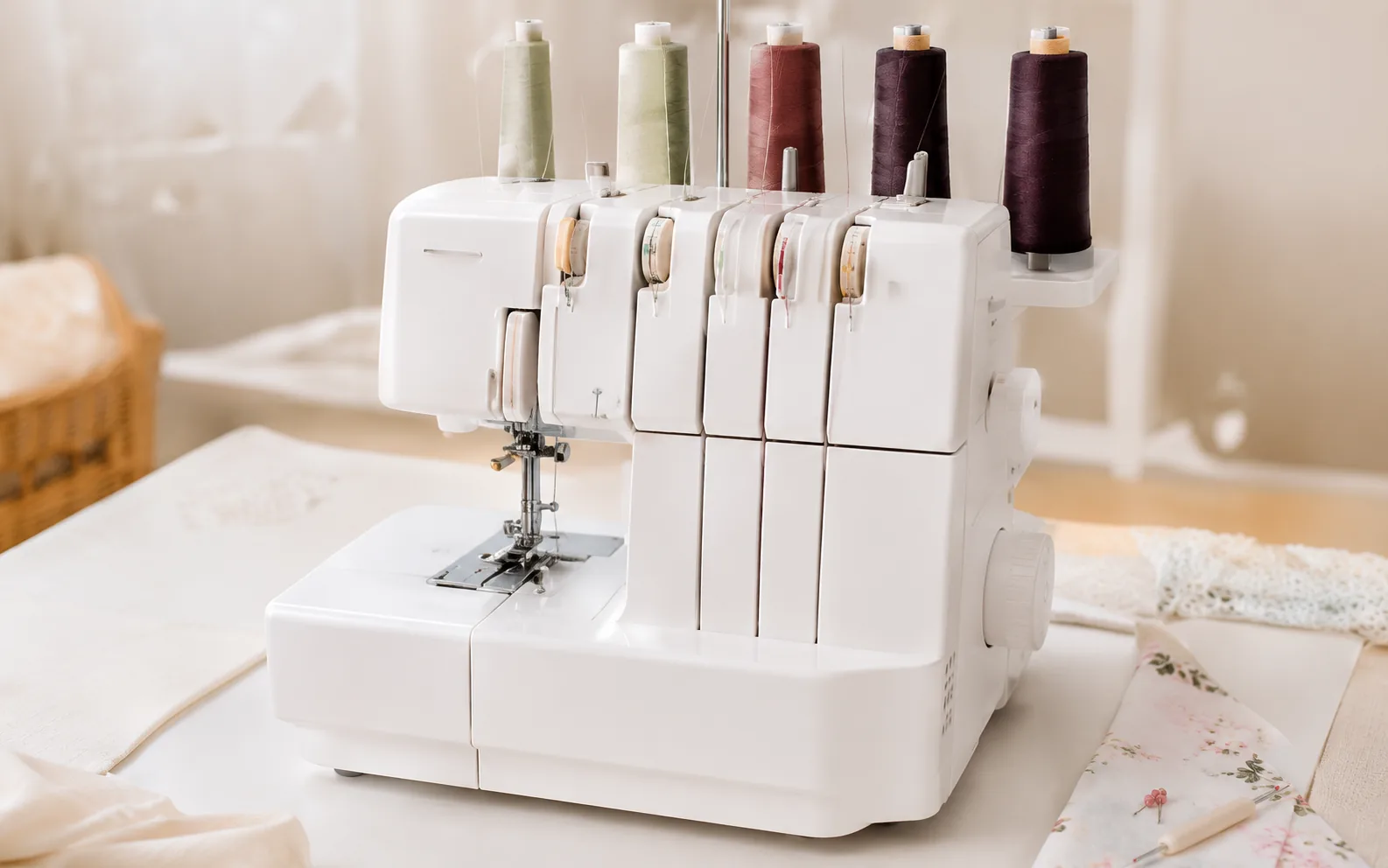
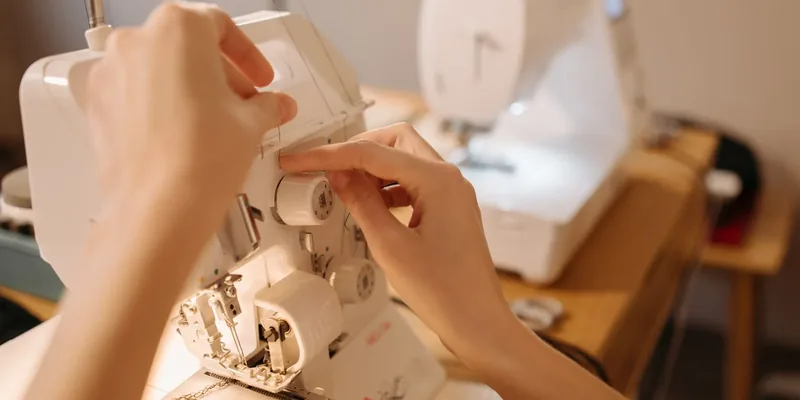
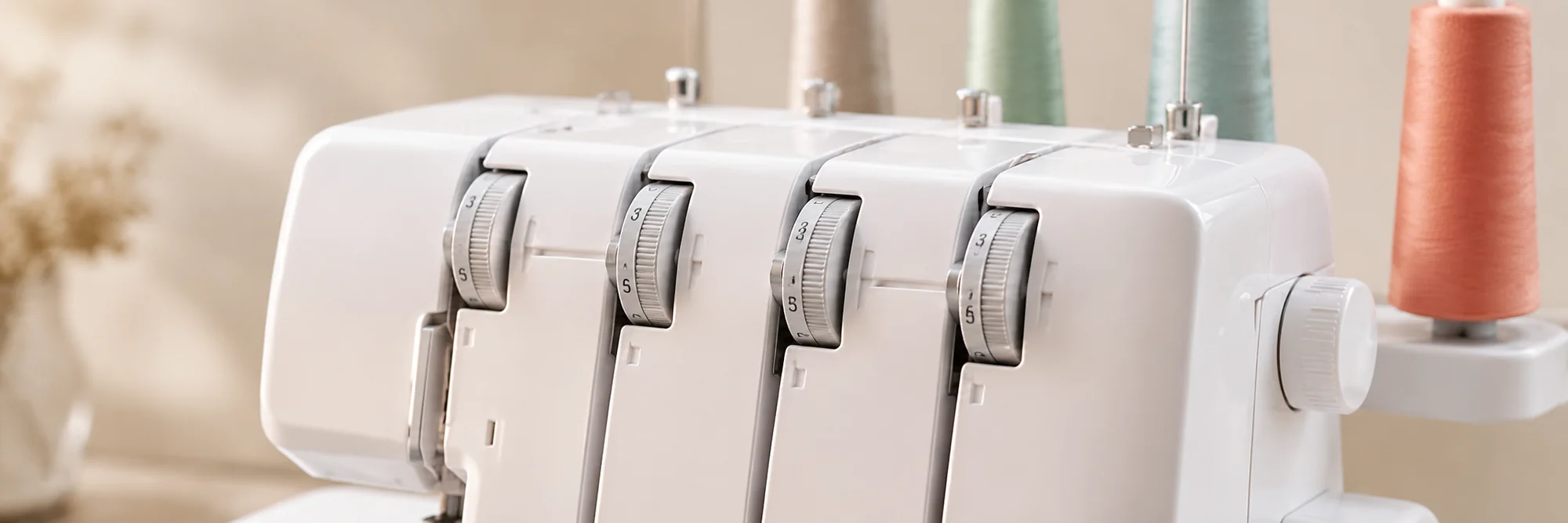
SergersSergers and overlockers without the mystique. Threading order, differential feed, coverstitch, and which one to start on.Browse sergers ›
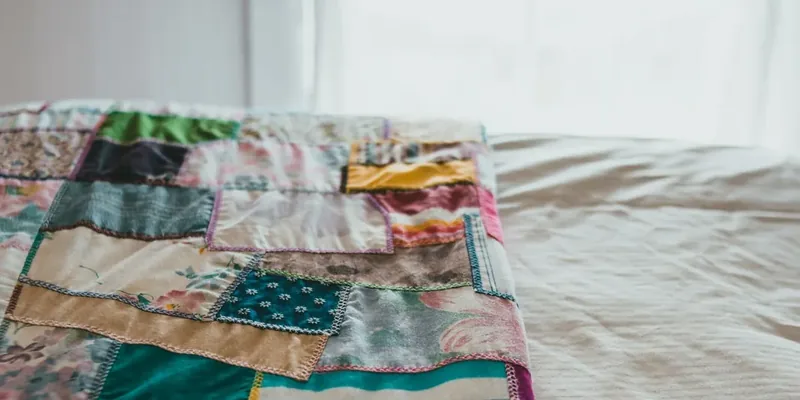
QuiltingThroat space, walking feet, free motion setup and thread. What a domestic machine handles and where a long arm starts.Browse quilting ›
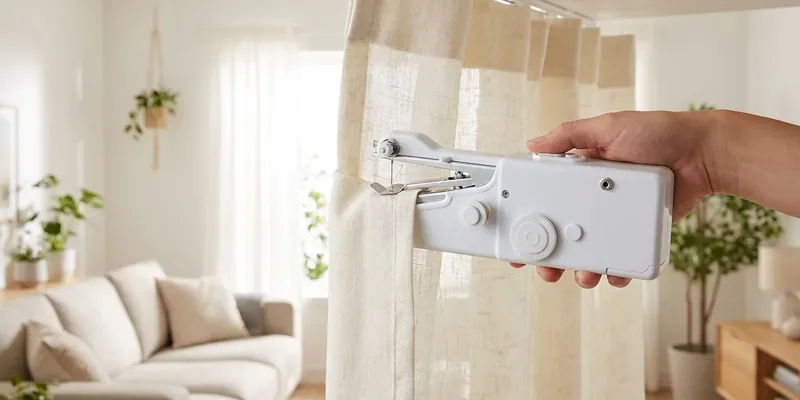
Handheld and MendingHandheld machines, minis and stitch guns, held against what they really do. Plus hemming and mending that holds up.Browse handheld and mending ›
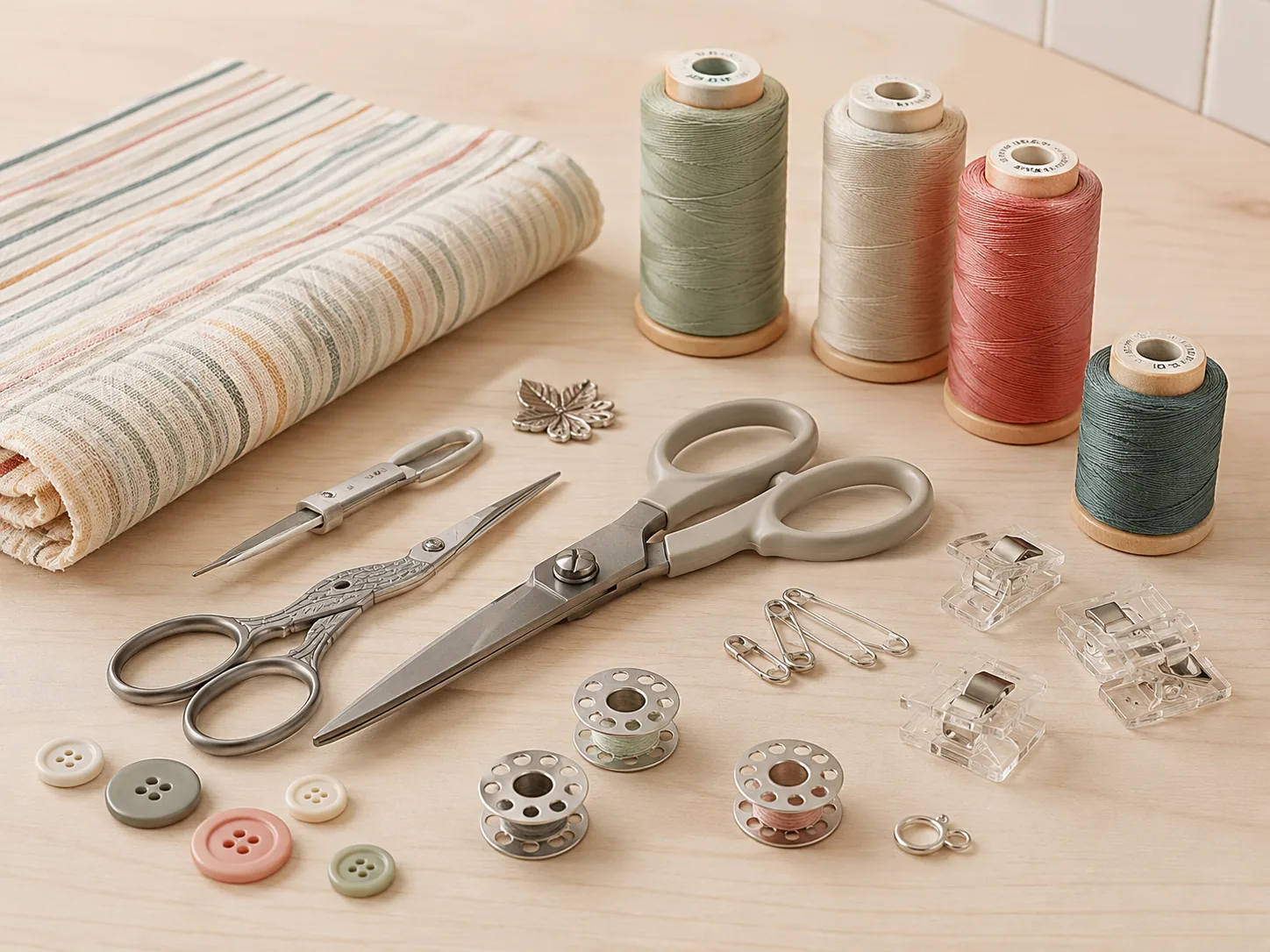
Needles and ThreadNeedle sizes and points, thread weight and fiber, bobbin classes. Which one fits your machine and your fabric.Browse needles and thread ›
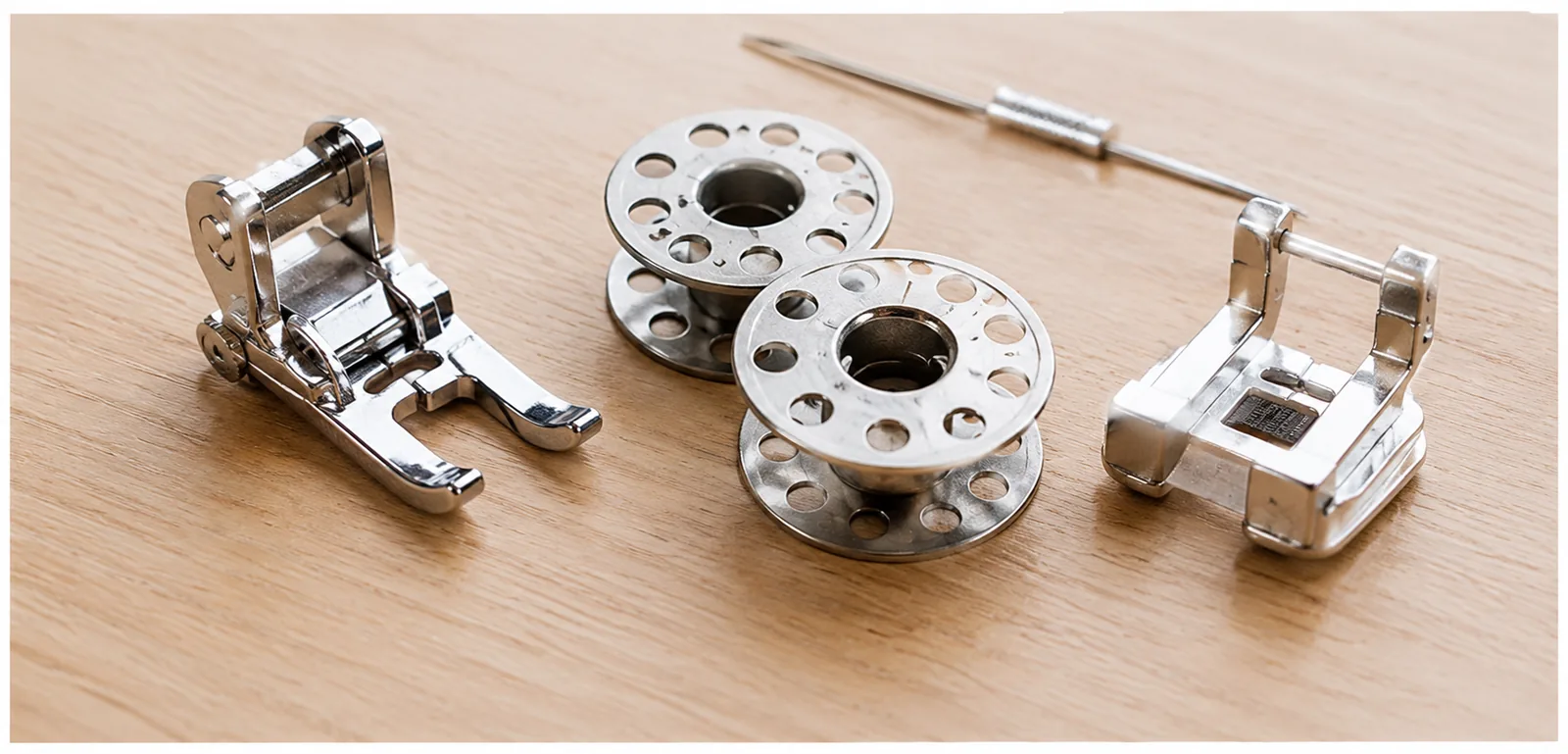
Tables and AccessoriesTables, extension tables, presser feet, oil, clips, cutters and light. The gear around the machine, chosen on fit and use.Browse tables and accessories ›
Problems and FixesSkipped stitches, breaking thread, tension trouble and thread nests. What to check, in order, before you call a repair shop.Browse problems and fixes ›Start here
The guides that answer the questions we get first, written around the fabric you want to sew and the space you have rather than around brand names.
BeginnersSewing Machine for Beginners: What Actually MattersThe features a first machine really needs, and the ones that only add buttons to the front panel.Read the guide ›
BrandsSinger Sewing Machines: Which Line Fits Which SewerWhich Singer line fits which sewer, and what the 4400 and 4500 numbers on the box actually tell you.Read the guide ›
SergersSerger: What It Does That Your Machine CannotWhat a serger finishes that your machine cannot, and whether you have outgrown a zigzag edge yet.Read the guide ›
Needles and ThreadSewing Machine Needles: Sizes, Points, When to ChangeSizes, point shapes and the change interval. The cheapest part on the machine decides most stitch problems.Read the guide ›How we choose what to suggest
We are not a test lab and we do not pretend to be. There is no sewing room full of loaner machines here, no stack of samples, and no scoring system invented to sound objective. What we do is read the product listings and the manufacturer manuals, compare the specifications makers publish about their own machines, and set those next to what owners consistently report going wrong.
When a number comes from a listing or from a manual, we name the source so you can check it yourself. Brands get an extra look, because Brother and Singer sell straight to you while Janome, Juki, Bernina and Baby Lock run largely through dealers, and a model that looks available often is not. When a category is full of near identical machines, often the same body under a different badge, we say so instead of inventing a winner.
Where our guides stop
Every machine, fabric and project is a different combination, so the answer that matters most is usually not ours. Threading order, tension range, oiling points and the maximum thickness a model is rated for come from the manual for your exact model. If our guide and your manual disagree, the manual wins, and we would rather say that out loud than round a number up to sound decisive.
We stop at the electrical housing. Motor, wiring and timing belong to a repair shop, not to a blog, and a machine that is out of time will not be fixed by a tension dial. Where children are at the machine we flag needle guards and speed limits, and we leave the caveats in rather than trimming them out.
What you can expect from a guide here
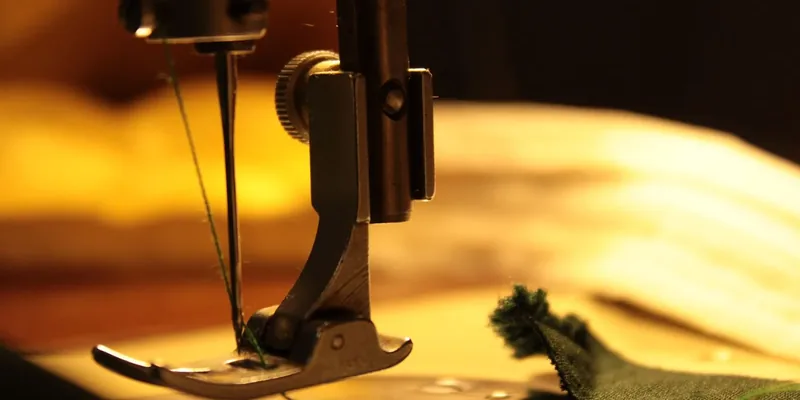
Needle point, feed and presser pressure decide the seam. Most disappointment traces back to a machine bought for a different kind of cloth.
Stitch count, stitches per minute, presser foot lift and motor figures are quoted from the maker, never assumed or rounded up.
Where a model runs through dealers rather than a marketplace, or where the cheap version is a different machine, that goes in the guide.
Where the answer belongs to your own manual or to a repair shop, we say so instead of guessing at a setting for you.