Last updated: August 22, 2026
The machine arrives with a small box of accessories: a few bobbins, a pack of needles, a seam ripper, a screwdriver, a lint brush and three or four presser feet. It looks like enough, and for the first evening it is. By the third project you will have discovered that the bobbins are all full of the wrong color, the needles are all one size, and nothing in the box cuts fabric.
What follows is the short list of things that actually change how the first months go, in the order worth buying them. It is deliberately short. Sewing has an enormous notions economy and most of it can wait until a specific project asks for it.
This article contains affiliate links. If you buy through them, we may earn a commission at no extra cost to you. Learn more.
Quick Answer
What should you buy with your first sewing machine?
- Needles in a few types and sizes. The single highest impact purchase and the one beginners skip.
- A dozen spare bobbins in the class your machine takes, so you are not unwinding one project to start another.
- Good all purpose polyester thread in the colors you actually sew, rather than a rainbow value pack.
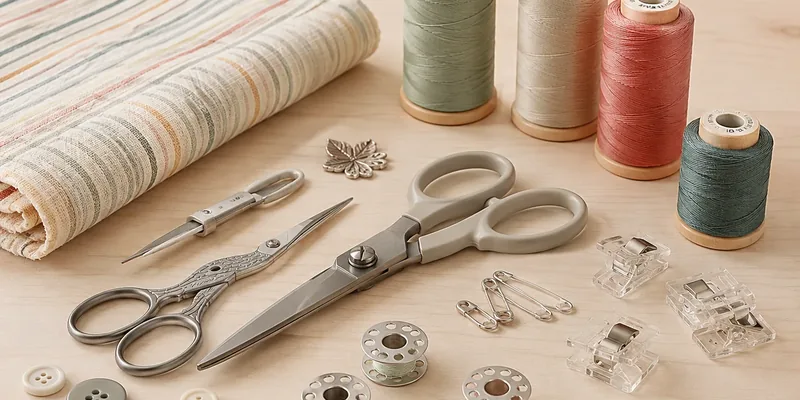
- Fabric shears kept only for fabric, a seam ripper you can see, pins or clips, and a measuring tape.
Bottom line: needles, bobbins and thread first. Everything else waits for a project that needs it.
Buy Needles Before Anything Else
Needles are consumable, they are the cheapest item on this page, and they fix more problems than any other purchase. A blunt needle causes skipped stitches, puckering, snagged fabric and a distinctive punching sound. The pack that came with the machine is usually one type in one size.
What you want is a mixed set: universal in a light and a medium size for wovens, ballpoint or jersey for knits, and a denim needle for anything heavy. Which one belongs in which fabric is set out in the fabric and needle chart, and the sizes are explained in the needle guide.

Bobbins, and Why a Dozen Is Not Excessive
Every project needs a bobbin in a matching color, and the four in the box run out immediately. Then you start unwinding a half full bobbin to free it up, which wastes thread and time and is genuinely annoying at ten at night. A dozen spares removes the problem permanently.
Buy them by the class your machine specifies rather than by appearance. Bobbins differ in diameter, height and material, and one that is fractionally wrong rattles, shifts the tension and can foul the hook. The classes and how to identify yours are in the bobbin fitment guide.

Thread That Does Not Fight You
Cheap thread is a false economy in a very specific way: it sheds lint into the tension discs and the bobbin area, and it snaps under load. Both problems present as machine faults, so people spend an evening adjusting tension when the answer was on the spool the whole time.
Good all purpose polyester thread handles nearly everything a beginner sews, including light knits. Cotton thread is lovely for quilting and for pressing flat. What you do not need is a fifty color value pack of unknown thread, because you will use four colors repeatedly and the rest will sit in a drawer aging. Thread types are compared in polyester against cotton.

Cutting, Marking and Holding
Nothing in the accessory box cuts fabric. Fabric shears, kept strictly for fabric and never used on paper, cut cleanly and make everything downstream easier, because a ragged cut edge is hard to sew accurately. Paper blunts them quickly, which is why the household scissors in the kitchen drawer are not a substitute.
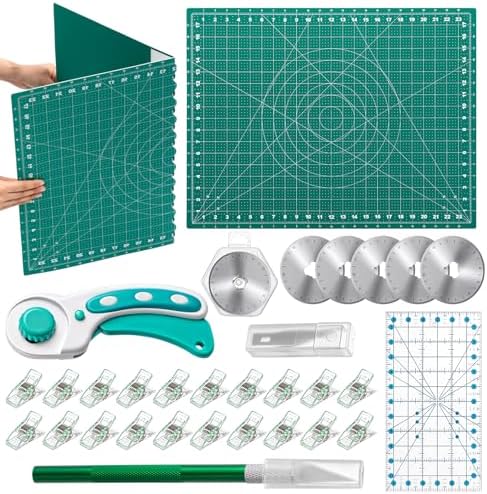
Alongside them: a seam ripper with a handle you can grip, pins with heads you can see or clips for fabrics that pins mark, a tape measure, and a marking tool that washes out. If you plan to quilt or cut multiple layers, a rotary cutter and a mat change the job entirely, and those are covered in cutting mats and rulers.
The Starter Kit in Order of Priority
The table sorts everything by whether it changes your first month, your first year, or nothing until a specific project demands it. Buying in this order avoids the classic pattern of a drawer full of notions and no spare bobbins.
| Item | Why it matters | When to buy | Skip if |
|---|---|---|---|
| Assorted needles | Fixes most stitch faults | With the machine | Never skip |
| Spare bobbins | Removes color juggling | With the machine | Never skip |
| Good thread | Less lint, fewer breaks | With the machine | Never skip |
| Fabric shears | Clean edges to sew to | First week | You only mend |
| Pins or clips | Holds layers where you put them | First week | Never skip |
| Clip on light | Removes shadow under the foot | First month | Great room lighting |
| Walking foot | Even feed on layers and knits | When a project asks | Light woven only |
| Extension table | Supports large panels | When a project asks | Small projects only |
The bottom two rows are where the money goes later, and both are genuinely transformative for the right work. A walking foot feeds the top layer at the same rate as the bottom, which matters on quilts, vinyl and slippery knits. Fit is by shank type, so check before buying, as covered in the walking foot guide.
What You Can Safely Ignore for Now
Specialty presser feet beyond the ones in the box, a serger, a dress form, a full notions organizer, decorative thread, and any gadget promising a shortcut around learning to guide fabric. None of these improve a beginner’s sewing, and several of them get bought and never opened.
The exception worth naming is a decent iron and something to press on. Pressing seams as you go is the difference between homemade and handmade, and it costs nothing extra if you already own an iron. A clip on light is the other cheap upgrade that people mention long after they buy it, covered in the sewing light guide.
Frequently Asked Questions
What sewing supplies do beginners actually need? Needles in a few types and sizes, a dozen spare bobbins in your machine’s class, good all purpose thread, fabric shears, pins or clips, a seam ripper and a tape measure. That covers the first several projects without a drawer full of unused notions.
Are prebuilt sewing kits worth buying? A good kit saves a shopping trip and is a reasonable gift, but the contents vary widely in quality and the needles and thread are often the weakest part. Our guide to what belongs in a sewing kit covers what to check before buying one.
How many bobbins do I need? More than the machine came with. A dozen in the correct class means you can leave a bobbin wound per color and stop unwinding good thread. They are among the cheapest items in the hobby and the most quietly useful.
Do I need special scissors for fabric? Yes, and the important part is keeping them for fabric only. Cutting paper blunts the blades quickly, and blunt shears chew the edge rather than cutting it, which makes every seam harder to sew accurately.
When should I buy extra presser feet? When a project asks. A walking foot and a quarter inch foot are the two most commonly added, both for quilting and layered work. Check your shank type first, and see the presser foot guide for what each one does.
The Bottom Line
Buy needles, bobbins and decent thread with the machine, add fabric shears and pins in the first week, and let everything else wait for a project that asks for it. That order prevents the two classic beginner situations, a drawer of unopened notions and no bobbin in the color you need. Read next: the needle guide for the most useful purchase on the list, and what belongs in a sewing kit if you would rather buy it all at once.