Last updated: August 22, 2026
The side seam of a favorite shirt has opened at the underarm. A coat pocket has let go along the top edge. A button is somewhere on the floor of a train. None of these need a sewing machine, and all of them need about four items that most households do not own until the morning they need them.
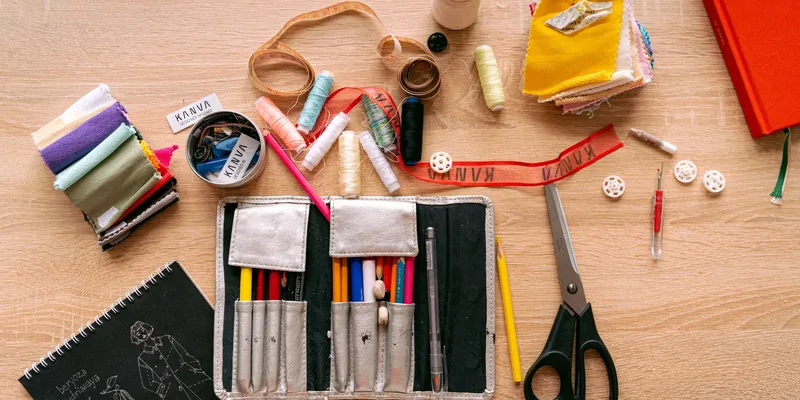
A clothing repair kit is not a gadget purchase, it is a small box of ordinary things that turns a fifteen minute fix into something you actually do rather than something you put in a pile. This guide covers what belongs in one, what the ready made kits get wrong, and which repairs still need the machine.
This article contains affiliate links. If you buy through them, we may earn a commission at no extra cost to you. Learn more.
Quick Answer
What does a clothing repair kit need to fix a ripped seam?
- Hand needles in a few sizes, including one with a big eye you can actually thread.
- Strong all purpose polyester thread in white, black and gray, not the tiny bobbins in a hotel kit.
- A seam ripper, small sharp snips, and a thimble you will resent until the first thick seam.
- Fusible hem tape and iron on patches for the repairs that are faster without a needle.
Bottom line: build the kit from good separate pieces. Most all in one repair kits are padded out with things you will never use and short on the two that matter, needles and thread.
The Four Repairs a Kit Has to Cover
Almost every clothing repair in a normal household falls into four jobs: a seam that has come open, a button that has come off, a hem that has come down, and a hole or tear in the fabric itself. Each one uses a different technique, but between them they need only a handful of tools.
Knowing that shapes the kit. You do not need a hundred piece assortment, you need a needle that suits the fabric, thread that outlasts the garment, something to cut with, and one heat activated option for the days you have twenty minutes and no patience.
What Belongs in the Box
Six things do the work and everything else is optional. Buy each of the six properly rather than accepting whatever came in a gift set, because the difference between a good needle and a soft one is the difference between a repair and an evening of swearing.
Needles and Thread
Hand sewing needles come in numbered sizes where a higher number is finer. A mixed pack covering fine wovens up to heavier cottons is enough, and one needle with a large eye saves you when the light is bad. For thread, all purpose polyester in white, black and mid gray covers most garments, because a seam repair is inside the garment where nobody is matching colors.
Cutting and Unpicking
A seam ripper is not optional. Half of repairing is undoing a stitch line first, and scissors used for that job cut the fabric sooner or later. Add small sharp thread snips, and keep them out of the kitchen drawer so they stay sharp.
Where Ready Made Kits Fall Short
The cheap all in one repair kits sold as travel or emergency sets are honestly assessed as a container of filler around two useful items. You get a fold of thin needles, a dozen half meter lengths of weak thread wound on cards, buttons that match nothing you own, and small scissors that struggle with a shoelace.
They are still better than nothing in a suitcase, and for a popped button in a hotel room they do the job. What they are not is the kit that lives in your house. For that, buy the six items separately, put them in a tin, and you have something that will still be useful in ten years.
Kit Contents by Repair
The table maps each of the four common repairs onto what it actually needs, so you can see which items are pulling their weight.
| Repair | What you need | Technique | Time |
|---|---|---|---|
| Split seam | Needle, polyester thread, thimble | Backstitch along the original stitch line | Fifteen minutes |
| Lost button | Needle, thread, matching button | Four holes, a shank of thread underneath | Ten minutes |
| Fallen hem | Needle and thread, or fusible hem tape | Slip stitch, or press the tape between layers | Twenty minutes |
| Hole or tear | Iron on patch, or darning needle and thread | Patch behind the hole, then stitch the edges | Half an hour |
What to Buy
Build the kit in this order. The first two items cover the majority of repairs on their own, and the rest fill in the gaps as you meet them.
The Needles
A mixed pack of hand sewing needles with a threader in the packet. Sharps for general work, a longer darner for repairing knitwear, and one large eye needle for thicker thread and tired eyes. Keep them in the original card so you can tell the sizes apart.

The Thread
All purpose polyester in a small set of neutrals. Polyester has a little give, which matters on a seam that has to move with the body, and it survives the wash better than the cotton thread in old sewing boxes. Our thread guide explains the weight and fiber differences if you want to go deeper.

The Unpicking Tool
A seam ripper with a decent handle and a fine point. The tiny ones that come free with machines work, but a full size one lets you see what you are cutting, which is the whole point.

The No Needle Options
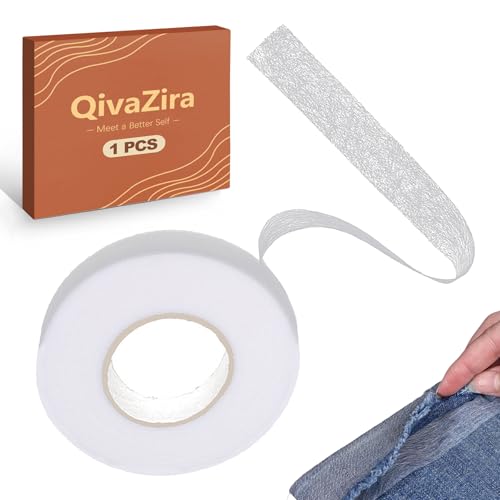
Fusible hem tape bonds two layers together under an iron and holds a hem without a stitch. Iron on patches do the same job over a hole, and on denim and workwear they are the honest first move rather than a compromise. Both belong in the kit even if you can sew, because sometimes speed wins.
Patching Denim and Workwear
Iron on denim patches go behind the hole, not over it, so the fabric edges are supported and you can stitch across them afterwards for something that survives the wash. Buy them larger than the hole by a good margin.

What a Repair Kit Will Not Fix
A hand repair is right for a seam, a button, a small hole and a hem. It is the wrong tool for a long structural seam, a zipper replacement, or hemming several pairs of work trousers, and it is slow on anything stretchy because hand stitching in knit fabric needs to give as much as the fabric does.
That is the point where a machine earns its space. If the repair pile keeps growing, our hemming guide covers what a basic machine changes, and the stitch gun article explains why the tool you have probably seen advertised for clothing repair is not a sewing machine at all.
Frequently Asked Questions
What is the strongest hand stitch for a ripped seam? A backstitch. Each stitch doubles back on the previous one so the thread line is continuous rather than a row of separate stitches, which means one broken stitch does not unzip the seam. Our hand mending guide shows the four stitches worth knowing.
Is a ready made clothing repair kit worth buying? As a travel kit, yes. As your household kit, no. The needles and thread in them are the weakest parts and they are the two parts that matter most, so you end up buying those separately anyway.
Does iron on hem tape actually hold? On stable woven fabric, applied properly, it does. Dritz instructs users of its Stitch Witchery bonding web to place the web between the layers, cover with a damp press cloth, set the iron to the wool setting, press ten seconds on each side without sliding the iron, and let it cool. It is not the answer on stretchy or very heavy fabric.
What thread should I use for repairs? All purpose polyester for almost everything. It has a small amount of stretch, resists abrasion, and holds up in the wash. Save heavy thread for topstitching on denim and canvas, where it is meant to show.
Do I need a thimble? For light fabric, no. For pushing a needle through a jeans hem or a coat seam, it is the difference between finishing the repair and giving up with a sore finger. They cost almost nothing.
The Bottom Line
Assemble the kit yourself from six good items and keep it somewhere you will reach for it. Needles in a few sizes, polyester thread in three neutrals, a real seam ripper, snips, a thimble, and one box of fusible tape or patches for the fast repairs. That covers split seams, lost buttons, fallen hems and small holes, which is nearly everything a wardrobe throws at you. Read next: the four hand stitches worth knowing and what actually belongs in a sewing kit.