Last updated: August 22, 2026
A sewing kit is the thing you go looking for at eleven at night with a button in your hand. Almost every household has one somewhere, and almost every one of them is a tin of tangled thread in colors nobody owns clothes in, with a pair of scissors that will not cut and a needle threader that snapped years ago.
The kits sold as gifts are mostly quantity. A hundred and thirty pieces sounds generous until you notice that a hundred of them are pins and the scissors are stamped from soft steel. This guide sets out the short list of items that genuinely get used, says which of them are worth spending on, and covers when a ready made kit is the sensible buy anyway.
This article contains affiliate links. If you buy through them, we may earn a commission at no extra cost to you. Learn more.
Quick Answer
What belongs in a sewing kit?
- Hand needles in assorted sizes, a needle threader, and thread in black, white, gray and navy. Those four colors cover most clothing.
- Small sharp scissors or thread snips, a seam ripper, and a handful of pins or clips.
- A tape measure, a few safety pins, spare buttons and a thimble that actually fits.
- A case that closes properly, so the contents are still organized the next time you need them.
Bottom line: about ten items do all the work. Piece counts on the box are mostly pins.
What a Sewing Kit Is Actually For
It is for repairs that cannot wait and do not justify getting a machine out. A button, a split seam in a shirt, a hem coming down an hour before you leave, a strap on a bag. Those four jobs account for most of the use a household kit ever sees, and they need surprisingly little.
Once you separate that from machine sewing, the shopping list gets short and the quality decisions get easy. Two items are worth spending on because a bad version actively fails, and the rest are commodities. Knowing which is which is the whole trick.
The Two Items Worth Spending On
Scissors and thread. Blunt scissors chew fabric instead of cutting it and make every job worse, and cheap thread is fuzzy and weak, which is exactly what Brother warns about when it tells owners to replace thread that is weak, dry rotted or of poor quality. Everything else in a kit can be basic without costing you anything.
The Core Kit
Ten things cover essentially every household repair. If you build your own kit rather than buying one, this is the list, and it fits in a small case with room to spare.
Needles, Thread and a Threader
An assortment of hand needles in different lengths and eye sizes, because a fine needle for shirting is the wrong tool for a coat button. A threader saves the entire job from turning into an argument in poor light. For thread, four colors do most of the work: black, white, mid gray and navy, since those blend into the majority of clothing.

Cutting and Unpicking
Small sharp scissors or thread snips, kept for thread and fabric only. A separate pair for paper, kept somewhere else, is the household rule that keeps the good pair sharp. A seam ripper is the other essential, and it does the job that people otherwise attempt with a razor blade and regret.
Holding, Measuring and Finishing
A few pins or clips, a flexible tape measure, safety pins for temporary fixes, spare buttons in common sizes, and a thimble in a size that fits your finger. A thimble that is too loose is worse than none at all, which is why the ones bundled into gift kits usually go straight to the back of the drawer.
What the Cheap Kits Get Wrong
Large piece counts are made up of the cheapest items to include. A kit advertised with well over a hundred pieces is typically most of the way there on pins and buttons alone, while the two things that decide whether the kit works, the scissors and the thread, are the two things that were cut to hit the price.
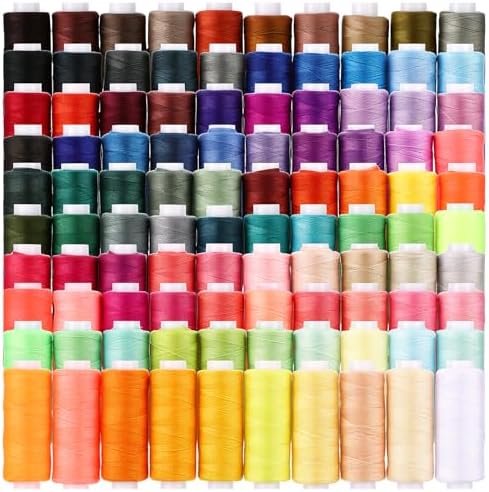
The thread in bargain kits is the specific problem. Short lengths wound on card, often loosely spun, and it breaks under hand tension before it breaks in the machine. If a kit is otherwise fine, replacing the thread with proper spools costs little and changes the experience completely.
Where a Ready Made Kit Is Genuinely the Right Buy
For a bag, a car, a desk drawer or a first apartment, a compact kit in a zip case is the right answer, because the value is having something rather than having the best of everything. The case being organized and closing properly matters more than the contents being premium.

Kits for Different Situations
What belongs in the kit depends on where it lives. A travel kit and a household mending kit have different jobs, and trying to make one kit do everything is how you end up carrying a tape measure to a hotel.
| Kit | Must have | Can skip | Watch out for |
|---|---|---|---|
| Travel or bag kit | Needles, four thread colors, snips, safety pins | Tape measure, thimble, spare buttons | Sharp scissors in carry on luggage |
| Household mending kit | The full core list, plus spare buttons | Specialty threads | Thread that has aged in the tin |
| Alongside a machine | Seam ripper, clips, machine needles, snips | Hand needle variety, thimble | Mixing hand and machine needles |
| Gift or first apartment | Organized case, decent scissors, real thread | High piece counts | Kits sold on quantity alone |
A kit that sits next to a machine needs different things again, mostly machine needles and a seam ripper rather than hand sewing gear. Our guide to what to buy with a first machine covers that side, and machine needles are the accessory that gets used most.
Building One That Lasts
Buy the case first and let it set the limit. A small compartmented box or a zip pouch with elastic loops keeps things findable, which is the difference between a kit you use and a tin you dread opening. Thread stored loose is thread that will be tangled next time.
Then refresh it occasionally. Thread ages, and old thread from an inherited box is brittle enough to break in the hand. Needles blunt and bend. Neither is expensive to replace, and both are the reason a kit that worked five years ago is frustrating today. Our guide to storing thread covers why light and dust matter.
The Repair Skills That Go With It
A kit is only as good as knowing three stitches: a backstitch for a split seam, a slip stitch for a hem, and a proper four hole button attachment with a shank. Our guide to mending clothes by hand covers those, and the clothing repair kit looks at the patches and iron on materials for damage that a stitch alone will not fix.
Frequently Asked Questions
What should be in a basic sewing kit? Assorted hand needles, a needle threader, thread in black, white, gray and navy, small sharp scissors or snips, a seam ripper, pins or clips, a tape measure, safety pins, spare buttons and a thimble that fits. That covers essentially every household repair.
Are large piece count sewing kits worth buying? Usually the count is padding. Most of the pieces are pins and buttons, while the scissors and thread are the items cut to hit the price. Judge a kit on the quality of those two, not on the number on the box.
What thread colors do I actually need? Black, white, mid gray and navy cover the majority of clothing, because a thread slightly darker than the fabric disappears better than one slightly lighter. Add colors as specific garments need them rather than buying a rainbow set up front.
Can I use machine thread for hand sewing? Yes, ordinary all purpose polyester works for both. Use a shorter length for hand sewing, around the distance from your hand to your elbow, since longer lengths tangle and abrade as they pass through the fabric repeatedly.
Do I need a thimble? Only for heavier work, but when you need one you really need one. Pushing a needle through a coat seam or through several layers of denim without one is how people give up halfway. Get one that fits snugly rather than whichever came in the kit.
Is a sewing kit enough, or do I need a machine? For buttons, split seams and quick hems, a kit is enough and always will be. Once you are hemming several pairs of trousers or making anything, a machine changes the time involved completely. Our beginner machine guide covers where that line falls.
The Bottom Line
Ten items do the work: needles, a threader, four thread colors, snips, a seam ripper, pins or clips, a tape measure, safety pins, buttons and a thimble that fits. Spend on the scissors and the thread, treat everything else as a commodity, and ignore piece counts on the box. Buy a ready made kit for a bag or a first apartment, and build your own for the house. Read next: what to buy with your first sewing machine and our guide to mending clothes by hand.