Last updated: August 21, 2026
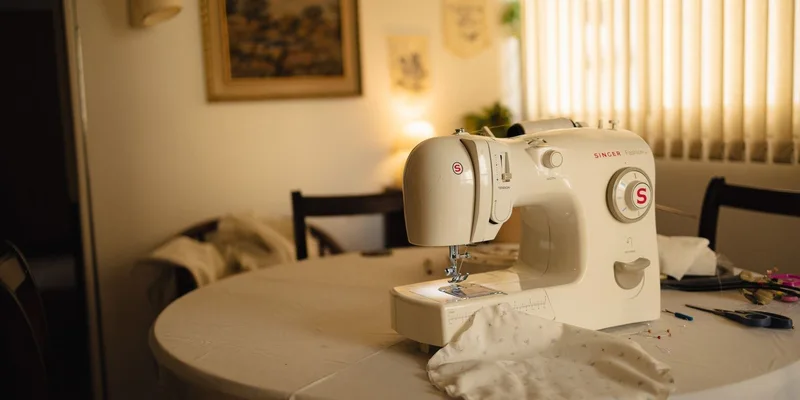
Search for a quilting machine and most of what comes back is a sewing machine with the word quilting added to the box. That is not a trick. A quilting sewing machine is a normal domestic machine that ships with the accessories quilting needs and, usually, a little more room under the arm. Whether that is enough depends on what you plan to make and how often.
The real question behind this search is almost never technical. It is whether one machine can cover mending, hemming, garment sewing and quilting, or whether serious quilting eventually demands a second machine kept set up and ready. Both answers are defensible, and the deciding factor is usually the size of your table rather than the size of your ambition.
This article contains affiliate links. If you buy through them, we may earn a commission at no extra cost to you. Learn more.
Quick Answer
Should you buy one combo machine or two machines?
- One machine is right for almost every first quilter. A sewing and quilting model does both jobs well enough that a second machine solves nothing.
- A quilting bundle is mostly an accessory bundle. Walking foot, quarter inch foot, free motion foot and an extension table, sold together.
- Two machines start to make sense when you piece and quilt in the same session and hate reconfiguring the setup twice an evening.
- A dedicated straight stitch machine is the classic second purchase, not a second all rounder.
Bottom line: buy one good combo machine, and let a real bottleneck rather than a wish list justify the second one.
What the Word Quilting on the Box Actually Means
On a domestic machine, quilting in the model description almost always means the accessory set rather than a different mechanism. You get feet that quilting needs, usually a wider flat surface, and sometimes a slightly deeper throat. The motor, the hook and the stitch quality are shared with the plain sewing version of the same line.
That is worth knowing because it makes the value obvious. Priced against a plain machine plus the feet and the table bought one at a time, the bundle usually wins, and the parts are already matched to the machine. Read the listing to see exactly which feet are included, because the contents differ between models in the same family.
The Accessories That Do the Work
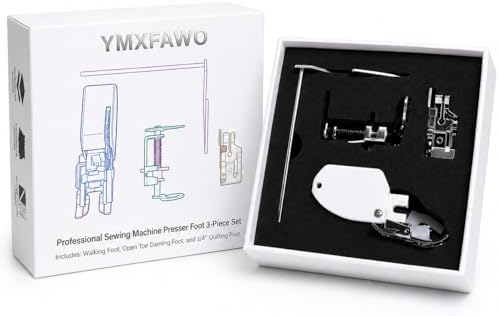
Four items carry almost all of the quilting function. A walking foot for even feed, a quarter inch foot for accurate piecing, a free motion or darning foot for curves, and an extension table for support. Everything else on the accessory list is nice to have.
If your current machine is otherwise fine, buying those four separately is a legitimate alternative to a new machine. Our guide to quilting feet covers what each one does and how to check that it fits your shank type.
When One Machine Is Genuinely Enough
For most quilters, always. A single machine that pieces accurately, drops its feed dogs and takes a walking foot will carry you through baby quilts, lap quilts and the first bed sized project. The limit you hit first is space around the machine, not the machine itself.
The Setup Cost You Pay Every Time
The honest downside of one machine is the switching. Piecing wants a quarter inch foot and feed dogs up. Free motion wants a darning foot and feed dogs down. Doing both in one evening means changing feet, changing settings, and often changing thread. It takes a couple of minutes, and those minutes are the entire argument for a second machine.
Most people absorb that happily for years. If you already know you are the sort of sewist who abandons a task rather than reconfigure a tool, factor it in now rather than discovering it later.
Combo Machines by Situation
The Straightforward One Machine Answer
A computerized sewing and quilting model with the feet and extension table included is the pick for most households. It hems, it pieces, it quilts a lap quilt, and it does school project repairs in between. Look at the included accessory list rather than the stitch count when comparing two of them.

If Your Current Machine Is Fine and You Just Want to Quilt
Skip the new machine and buy the accessory set. A walking foot matched to your shank, a quarter inch foot and a free motion foot turn most working machines into quilting machines for a fraction of the cost of replacing anything.
If You Want a Second Machine for Piecing
The traditional second machine is not another all rounder but a simple, heavy straight stitch machine that never has to change configuration. It sits set up with a quarter inch foot and a neutral thread while the main machine handles everything else. Mechanical models are popular here precisely because there is nothing to set.
If Bulk Is the Problem Rather Than Features
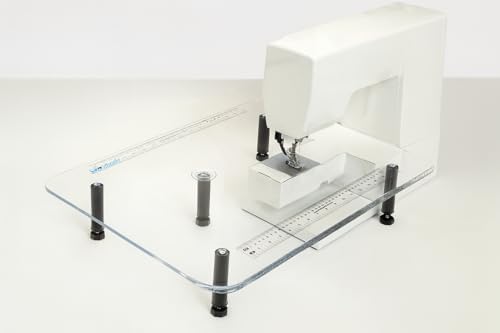
Support beats specification. A large acrylic extension table plus a table at the correct height removes more frustration from a quilt than any upgrade to the machine, and it costs a great deal less.
One Machine Against Two, Side by Side
Both setups work. The comparison below is about the daily experience rather than capability, because capability is roughly the same.
| Setup | Switching effort | Space needed | Best for |
|---|---|---|---|
| One combo machine | Change foot and settings each time | One station, packs away | Nearly all home quilters |
| Combo plus straight stitch machine | None, each stays configured | Two stations, permanent | Frequent piecers with a sewing room |
| Combo plus sit down quilting machine | None, but a big commitment | A dedicated corner | Quilters finishing many tops a year |
| Piece at home, send out the quilting | None, someone else quilts it | One station | People who love tops and dislike basting |
What a Combo Machine Will Not Do
It will not make a king sized quilt easy. The bulk still has to pass through the throat, and no accessory changes that. It also will not replace a frame mounted machine for anyone quilting for other people, where the whole point is that the quilt stays still and the machine moves.
It is also worth being clear about what quilting in a model name does not promise. It says nothing about stitch quality on thick seam intersections, nothing about how the machine behaves at low speed, and nothing about how long the plastic parts last. Those are questions for owner reports on the specific model, and they are the reason our model reviews exist. Where a frame machine genuinely starts to make sense is set out in mid arm against long arm.
Frequently Asked Questions
Is a quilting machine different from a sewing machine? On a domestic machine, mostly no. It is the same machine with quilting accessories and often a bit more throat space. A true quilting only machine is a frame mounted mid arm or long arm, which is a different product entirely.
Can I quilt without a walking foot? For small projects and short seams, yes. For anything larger you will get pleats on the top layer, because the feed dogs only move the bottom one. A walking foot is the cheapest real fix.
Do I need a computerized machine to quilt? No. Mechanical machines piece and quilt perfectly well. Computerized models add convenience features that quilters like, such as needle up and down and a speed limiter, rather than better stitches.
What size quilt can a combo machine handle? Lap and twin sizes are comfortable with good table support. Queen and king are possible but demanding, which is the subject of our large quilt article.
Which specific model should I look at first? Start with the generic guide in what to look for in a quilting machine, then read a model review such as our Singer 9960 review to see how the features play out in practice.
The Bottom Line
One well chosen sewing and quilting machine covers the first several years of quilting, and a bundle that includes the walking foot, the quarter inch foot and the extension table is usually better value than assembling the same parts yourself. Add a second machine only when swapping feet twice an evening is genuinely stopping you from sewing. Read next: what to look for in a quilting machine and what a long arm actually involves.