Last updated: August 22, 2026
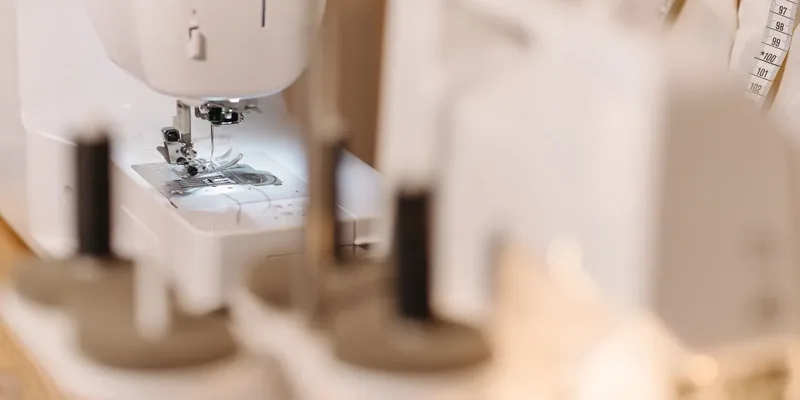
Every domestic machine has a light, and on most of them it sits above and slightly behind the needle. That position puts the presser foot between the bulb and the fabric, which means the one place you are trying to look at, the spot where the needle enters the cloth, is in the shadow of the foot. On dark fabric in an evening room, that shadow is the whole problem.
People assume it is their eyes. Sometimes it is, but far more often it is a small warm bulb throwing light from one direction onto a shiny metal foot. The fix is cheap, it takes a minute, and it changes how comfortable an hour at the machine feels more than almost anything else you can buy for the same money.
This article contains affiliate links. If you buy through them, we may earn a commission at no extra cost to you. Learn more.
Quick Answer
What kind of light fixes the shadow under the presser foot?
- Light from the side beats more light from above. The shadow comes from direction, not from brightness alone.
- An adhesive LED strip stuck along the underside of the machine arm lights the needle area from close range with no shadow.
- A magnetic gooseneck lamp is the flexible option and works on any machine with a steel body panel.
- Daylight tone, roughly 5000K to 6500K, makes it far easier to see thread color and stitch definition on dark fabric.
Bottom line: add light from the side or from under the arm, in a daylight tone, and keep the room light as backup rather than as the main source.
Why the Built In Light Is Not Enough
The built in bulb is small, it is fixed, and it points down past the front of the arm. The presser foot, the needle clamp and your own hands all sit between it and the fabric, so the light arrives at the needle from the one angle that guarantees a shadow exactly where you are looking.
Older machines make it worse. An incandescent sewing machine bulb throws a warm, yellowish light that flattens contrast on navy, black and dark denim, which are precisely the fabrics where you need to see the stitch line. Some machines have moved to LED, and the difference is visible immediately.
Brightness Is the Wrong Thing to Chase
A brighter bulb in the same socket lights the same shadow harder. What removes a shadow is a second light source coming from a different direction, ideally low and to the side, so the beam reaches under the foot instead of onto the top of it. That is why a modest strip light in the right place beats a powerful lamp in the wrong one.
The Three Kinds of Add On Light
Almost everything sold for this job falls into three shapes: an adhesive LED strip, a magnetic gooseneck lamp, and a floor or table task lamp. They solve different parts of the problem, and plenty of sewing rooms end up with two of them.
Adhesive LED Strips
A flexible strip with a peel and stick backing, run along the underside of the machine arm just above the needle area, usually powered by USB. Because the strip sits ahead of and below the standard bulb, the light comes in almost parallel to the throat plate and slides under the presser foot instead of hitting the top of it.
This is the most effective single fix for the shadow, and it is also the fiddliest to install, because you are sticking something to your machine. Clean the surface first, dry fit the strip and check the cord route before you peel the backing, and keep the strip clear of the free arm and the accessory box if yours slides off.
Magnetic Gooseneck Lamps
A small LED head on a bendable stem with a magnetic base. Sewing machine lamps of this type are widely sold with LED counts from around ten up to thirty on the head, and the useful ones are dimmable so you can drop the level for light fabric and raise it for dark.
The magnet needs steel to stick to, which most machine bodies have somewhere, often the back of the arm or the rear of the bed. If yours is largely plastic on the outside, a clamp lamp on the table edge does the same job from the same angle.
Task Lamps on the Table
A daylight floor lamp or an articulated desk lamp lights the whole work area, which matters for pinning, threading needles and reading a pattern. It will not remove the shadow under the foot on its own, because it is still above the machine, but it is the right general room light for a sewing corner and it reduces the eye strain of a bright machine in a dark room.
The comfortable setup is both: general light from a task lamp so your eyes are not jumping between a bright spot and a dark room, plus a strip or gooseneck at the needle for detail.
Color Temperature and Why Daylight Wins
Color temperature is measured in kelvin, and it describes whether light looks warm and yellow or cool and blue. Warm household bulbs sit around 2700K, daylight LEDs sit around 5000K to 6500K, and sewing is one of the tasks where the cooler end genuinely helps.
The reason is contrast. Warm light dulls the difference between a dark thread and a dark fabric, so the stitch line disappears; daylight tone keeps them separate. It also lets you judge thread color against fabric honestly, which matters if you are matching a repair thread to a garment you will look at in daylight.
Lights by Situation
The Straight Fix for the Shadow Under the Foot
An adhesive LED strip run under the machine arm. It is the closest light source to the needle you can add, it draws power from a USB port or a small adapter, and once it is stuck on you never adjust it again. If you only add one light, add this one.

If You Do Not Want to Stick Anything to the Machine
A magnetic gooseneck lamp clamps itself to any steel panel and bends to any angle, so you can point it under the foot from the side and move it out of the way when you change the presser foot. It is also the one that comes with you to a class.

For the Whole Work Area, Not Just the Needle
A daylight task lamp with an articulated arm lights the table for pinning, unpicking and threading, which is where a lot of the real eye strain happens. Pair it with a needle light rather than expecting it to do both jobs.

If Your Machine Takes a Screw In Bulb
Many older machines use a standard sewing machine bulb, and swapping the incandescent for an LED replacement of the same fitting gives cooler, cleaner light and less heat inside the head. Unplug the machine, let the old bulb cool, and check your manual for the fitting type before ordering.

Comparing the Options
The differences that matter are where the light comes from, whether you have to attach anything permanently, and whether it travels. Brightness numbers on listings are not comparable between shapes, so ignore them and pick on position.
| Light type | Where the light comes from | Fitting | Best suited to |
|---|---|---|---|
| Adhesive LED strip | Under the arm, close to the needle | Peel and stick, USB power | Killing the shadow for good |
| Magnetic gooseneck | Any angle you bend it to | Magnet on a steel panel | Flexibility and classes |
| Task or floor lamp | Above and to the side | Clamp or free standing | The whole table, pinning |
| Replacement bulb | The original position | Machine specific fitting | Older machines, cooler light |
If the machine sits somewhere that has no good light and no spare socket, the setup is the real issue. Our guide to sewing in small spaces covers corners and fold away stations, and the sewing machine table guide deals with heights and surfaces.
What Not to Do
Do not open the machine to fit a light. Anything that involves the wiring, the internal lamp holder, the circuit board or the foot pedal is a job for a technician, not a weekend. Added lights should draw their power from a USB port or a wall adapter and touch nothing inside the machine.
Do not block the ventilation slots or tape over the handwheel side, and unplug the machine before you change a bulb rather than just switching it off. If the built in light has stopped working and a new bulb does not fix it, that is a wiring question and belongs with a repair shop.
Comfort, Not a Cure
Better light makes sewing easier to see. It does not correct vision, and it is not a medical fix for eye strain or headaches. If close work has become genuinely hard, an optometrist is the right call.
Frequently Asked Questions
Why is there a shadow right where the needle is? The built in bulb sits above and behind the needle, so the presser foot, the needle clamp and your hands block it. Adding light from the side or from under the arm fills that shadow in.
What color temperature is best for sewing? A daylight tone, roughly 5000K to 6500K. It keeps the contrast between dark thread and dark fabric, which warm household light flattens.
Will an LED strip damage my machine? Not if it sticks to the outside and powers from USB or an adapter. Clean and dry fit before you peel the backing, keep it off moving parts and away from ventilation slots, and do not run wiring inside the machine.
Can I replace the bulb in my sewing machine myself? On many machines the bulb is user replaceable and the manual says how. Unplug the machine first and let the old bulb cool. If the manual does not cover it, or the light still does not work with a new bulb, take it to a technician.
Do magnetic lamps stick to every machine? Only to steel. Plenty of machine bodies have a steel panel at the back or under the arm, but a fully plastic shell will not hold a magnet, and then a clamp lamp on the table edge is the alternative.
The Bottom Line
The shadow under the presser foot is a direction problem, so solve it with a light that comes from under the arm or from the side, in a daylight tone, and keep a general task lamp for the rest of the table. An adhesive LED strip is the most effective single addition; a magnetic gooseneck is the flexible one; a replacement bulb is the fix for older machines. Leave anything involving internal wiring to a technician. Read next: the ten minute maintenance routine, the sewing machine table guide, and sewing in small spaces.