Last updated: August 22, 2026
Piecing a quilt top is the easy part. Almost any machine that sews a straight line will join squares, and plenty of first quilts have been pieced on a basic mechanical machine bought for hemming curtains. The trouble starts the day the top, the batting and the backing are basted together and the whole thing has to travel through the machine so the quilting stitches can hold it.
That is when the shape of the machine matters more than the stitch count. How much room sits between the needle and the upright arm, whether the feed can pull three thick layers evenly instead of shoving the top forward, whether the feed dogs drop for free motion work, and whether there is a flat surface wide enough to carry the weight of a rolled quilt. Those four things separate a machine that quilts from a machine that merely sews.
This article contains affiliate links. If you buy through them, we may earn a commission at no extra cost to you. Learn more.
Quick Answer
What makes a sewing machine good for quilting?
- Throat space, the gap to the right of the needle. More of it means less fighting a rolled quilt, and the listing states the figure for every model.
- Even feed. A walking foot or a built in dual feed keeps the top layer from creeping ahead of the backing.
- Feed dogs that drop, plus a darning or free motion foot, if you want to quilt curves rather than straight lines.
- A flat extension table, so the quilt is supported rather than hanging off the edge and dragging the stitches.
Bottom line: buy on throat space, feed and table support first, and treat the stitch menu as a distant fourth.
Throat Space Is the Number That Decides Your Comfort
Throat space, sometimes called harp space, is the distance from the needle to the upright body of the machine. That gap is where the rolled up bulk of a quilt has to sit while you stitch. On a standard domestic machine it is measured in a handful of inches, which is enough for a lap quilt and tight for anything larger.
Every listing quotes the figure, usually as workspace or sewing space, and it is worth reading it directly rather than assuming. The Grace Company, which makes quilting frames, groups machines by that measurement, calling roughly twelve to seventeen inches mid arm territory and eighteen inches and up long arm territory. A domestic machine sits well below both, which is why the rolling technique matters so much.
What Extra Inches Actually Buy You
Two extra inches sounds trivial on paper and feels enormous at the machine. The quilt roll can be looser, you reposition less often, and your shoulders stay lower because you are not wrestling the bulk against the arm. If you already know you want to quilt bed sized projects at home, spend your budget here before anywhere else.
If your quilting stops at baby quilts, table runners and wall hangings, throat space is much less urgent and you can weigh other features instead. The article on quilting a king size quilt on a domestic machine walks through what the largest sizes actually demand.
Even Feed Matters More Than the Stitch Menu
A quilt is three layers held together by basting, and normal feeding moves only the bottom one. The feed dogs grip the backing while the presser foot presses down on the top, so the top creeps forward and you finish a long seam with a pleat you did not put there. Even feed is the fix, and it is not optional on a quilt.
Walking Foot or Built In Dual Feed
A walking foot has its own set of feed teeth that grip the top surface and step in time with the feed dogs below, so both layers advance together. It is the single most useful accessory for straight line quilting and for stitching in the ditch. Check the shank type on your machine before you order one, because low shank and high shank feet are not interchangeable.
Some machines have the same idea built in as a dual feed system that swings down behind the presser foot. It works on the same principle and saves you clipping an accessory on and off. Our walking foot guide covers which style suits which machine.
Quilting Machines by Situation
Most quilters buy one machine and expect it to piece, quilt and handle everything else the household needs. These are the shapes that job takes, described by the situation rather than by a model name.
If This Is Your First Quilting Machine
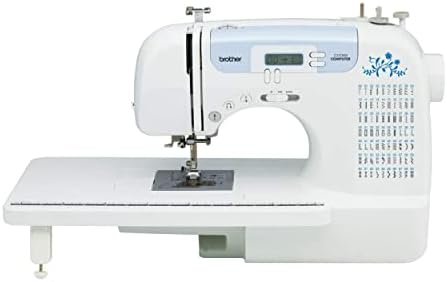
The sensible default is a computerized machine sold as a sewing and quilting model, which normally means it ships with an extension table, a walking foot and a quarter inch foot in the box. Buying those three separately costs more than the difference between a plain machine and a quilting bundle.
If You Piece a Lot and Quilt Only Occasionally
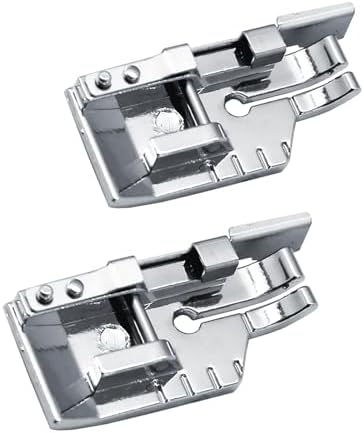
Piecing rewards accuracy rather than power, and a machine with a needle position you can nudge left and right lets you dial in a true quarter inch seam. A quarter inch foot with a guide bar keeps the raw edge in the same place block after block, which is where consistent piecing actually comes from.
If You Want Free Motion Curves and Stipple
Free motion quilting needs feed dogs that drop or cover, a darning foot that hops rather than presses, and a machine you can run slowly without it stalling. Check the manual for the drop lever before you buy, because a few budget machines only supply a plate that covers the dogs, which works but sits a fraction higher.

If Your Quilts Keep Getting Bigger
Bulk is the enemy, and a larger flat surface fights it. An acrylic extension table turns a free arm machine into a flat bed and carries the weight that would otherwise hang and pull. Combined with a table at the right height it does more for a big quilt than any stitch pattern.

Comparing the Realistic Options
These four routes cover almost every home quilter. The differences that matter are practical ones, not spec sheet ones.
| Route | Room for the roll | Feed setup | Suits |
|---|---|---|---|
| Basic mechanical machine | Tight, constant repositioning | Walking foot bought separately | Piecing plus small quilted projects |
| Sewing and quilting bundle | Comfortable for lap size | Walking foot and quarter inch foot included | The usual first quilting machine |
| Wide throat domestic model | Noticeably easier on bed sizes | Often dual feed built in | Quilters working up to queen |
| Mid arm or long arm on a frame | The quilt never gets rolled | Frame moves the machine, not the quilt | Dedicated quilters with a room to spare |
The last row is a different purchase entirely and runs through dealers rather than online retail. What that involves is set out in our long arm explainer.
The Features Quilters Stop Caring About
Two things get advertised heavily and matter little once you are actually quilting. The number of built in stitches, because quilting uses a straight stitch and occasionally a walking foot serpentine, and automatic buttonholes, because a quilt has no buttonholes. Neither is a reason to pay more.
What does earn its keep is duller. A start and stop button so you can run the machine without the pedal during long free motion runs, a needle up and down setting so the needle always parks buried in the layers when you pause, and a speed slider that lets you cap the machine while you learn. Those three come up again and again from quilters who bought a machine and then wished for them.
Where a Domestic Machine Runs Out
Honestly, at the point where the quilt is bigger than the space you can create around the machine. No accessory fixes a queen quilt in a throat space that measures a few inches when your table is small and your chair is at kitchen height. That is the moment people either send the top out to a longarm service or rethink the room, not the machine.
Frequently Asked Questions
Can I quilt on a regular sewing machine? Yes, and most quilts are. You need a walking foot for straight lines, a way to support the weight of the quilt, and patience with rolling the bulk. Throat space decides how pleasant it is, not whether it is possible.
Do I need a quarter inch foot? Not strictly, but it makes piecing far more consistent. Quilt patterns assume a quarter inch seam allowance, and small errors multiply across a block. A guide bar foot or a marked needle plate solves the same problem.
Is a heavier machine better for quilting? Generally yes, because weight means the machine stays put while you move bulk across it. A light plastic bodied machine slides on a smooth table when you push a rolled quilt through, which is distracting rather than dangerous.
What thread should I use for quilting? Piecing usually uses a finer cotton or polyester thread, and quilting stitches use something a little heavier if you want them to show. The full explanation is in our quilting thread guide.
Should I buy a combined sewing and quilting machine or two machines? Almost everyone should start with one machine that does both. The case for a second, dedicated machine is covered in the combo machine article.
The Bottom Line
Pick a quilting machine on throat space, even feed and table support, and let the stitch menu decide nothing. A sewing and quilting bundle with a walking foot, a quarter inch foot and an extension table covers the first several quilts comfortably, and the accessories are what you upgrade after that. Read next: the quilting feet worth owning and our look at the Brother CS7000X, one of the machines most often bought for exactly this job.