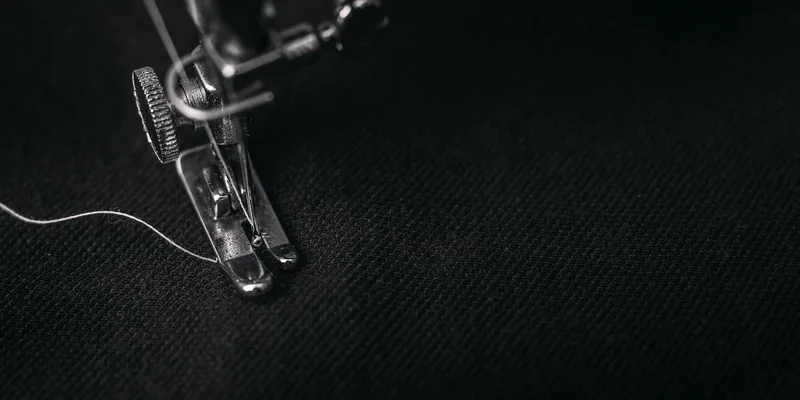
Last updated: August 21, 2026
Three presser feet do almost everything a quilt needs, and the accessory box that came with your machine probably contains none of them. That is the annoying truth behind most first quilt frustrations. The pleats along a long seam, the seam allowance that drifts, the free motion stitches that come out the size of a shoelace and then the size of a hair: all three are foot problems before they are skill problems.
The good news is that quilting feet are inexpensive and last for years. The awkward part is fit. Feet clip or screw onto a shank, and shanks come in low and high versions, with some machines using a proprietary snap on system. Buying the wrong one is the most common wasted purchase in this whole category, so the fit question comes first here.
This article contains affiliate links. If you buy through them, we may earn a commission at no extra cost to you. Learn more.
Quick Answer
Which quilting feet do you actually need?
- A walking foot, for straight line quilting and stitching in the ditch. It feeds the top layer so it cannot creep ahead.
- A quarter inch foot, for piecing. Ideally one with a guide bar so the raw edge has something to run against.
- A free motion or darning foot, for stipple and curves, used with the feed dogs dropped.
- Check your shank type before ordering anything. Low shank fits most domestic machines, but not all of them.
Bottom line: those three feet cover a first quilt completely, and fit matters more than brand.
Check the Shank Before You Buy Anything
The shank is the post the foot attaches to. Measure from the center of the thumb screw to the bottom of the needle plate with the presser foot down. Low shank is the common domestic size and high shank sits noticeably taller. Some brands, notably several Brother and Singer lines, use a snap on ankle that itself sits on a low shank.
The simplest check is the manual, which normally states the shank type or lists compatible feet by part number. If the manual is long gone, a photograph of the foot area and your model number in a search will usually settle it. Guessing is how people end up with a walking foot that fouls the needle bar.
Generic Feet Against Branded Ones
Generic low shank feet fit an enormous range of machines and are perfectly serviceable. The difference you notice on branded feet is usually the tolerance of the moving parts on a walking foot and the accuracy of the guide on a quarter inch foot. For a first quilt, generic is fine. If a foot has to be dimensionally exact, which the quarter inch foot does, spending a little more is defensible.
The Walking Foot Is the One That Changes Everything
A walking foot carries its own feed teeth on top of the fabric, driven by an arm that rides on the needle clamp. As the feed dogs pull the bottom layer, the foot pulls the top layer by the same amount. That is the whole trick, and it is why straight line quilting stops producing pleats the moment you fit one.
What It Is Good At
Straight lines, gentle curves, stitching in the ditch, and any long seam where layers want to shift. Quilters also use it for binding, because the layers there are at their thickest. It is noisy and it is slow, and both of those are normal rather than a fault.
It is not the foot for free motion work, because the feed still drives the fabric. Some machines have the same function built in as an integrated dual feed, in which case you do not need the accessory at all. Our walking foot guide covers both versions in more detail.

The Quarter Inch Foot Fixes Piecing Before It Starts
Quilt patterns are drafted around a quarter inch seam allowance, and small deviations compound. Sew a nine patch block with seams a sixteenth of an inch too wide and the block comes out visibly small, then it will not match its neighbor. A dedicated foot makes that seam repeatable without measuring every time.
Two styles exist. The plain quarter inch foot is exactly a quarter inch from needle to the right edge, so you line the fabric edge with the foot edge. The version with a metal guide bar adds a fence the fabric runs against, which is easier for beginners and slightly slower when you need to sew past a corner. Most quilters end up preferring the guide bar version for straight piecing.

Free Motion Feet and What They Ask of You
A free motion foot, also called a darning foot, hops up and down with the needle instead of pressing constantly. That lets you slide the quilt in any direction between stitches. You drop the feed dogs, so the machine no longer controls stitch length. Your hands do.
Open Toe, Closed and Ruler Feet
Closed round feet give the best stability, open toe versions give you a clear view of the line you are following, and a clear plastic foot is a compromise between the two. Beginners usually get on best with an open toe for stippling because seeing where you are going matters more than a fraction of extra stability.
Ruler feet are a separate item: taller, thicker walled, and made to run against an acrylic ruler so you can quilt accurate straight lines and arcs free motion. They are worth having only after you are comfortable with basic free motion. Setting the machine up correctly is covered step by step in our free motion setup guide.

The Four Feet Compared
Feed dogs up or down is the fastest way to remember what each foot is for.
| Foot | Feed dogs | What it does | When you reach for it |
|---|---|---|---|
| Walking foot | Up | Feeds top and bottom together | Straight line quilting, binding |
| Quarter inch foot | Up | Holds a repeatable seam allowance | Piecing every block |
| Free motion or darning foot | Down | Hops so you can move freely | Stipple, curves, custom motifs |
| Ruler foot | Down | Runs against an acrylic ruler | Accurate lines and arcs, later on |
Sets Against Buying Them Singly
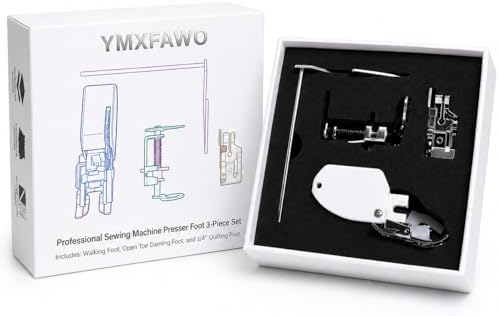
Large multi foot sets look like tremendous value and mostly are not. A typical set of dozens of feet contains a handful you will use and a long tail of specialist feet for jobs you do not do. The three quilting feet in a set are also often the cheapest versions in it.
The exception is when a set is the only way to get a decent walking foot at a sensible outlay for your shank type, which does happen on less common machines. Otherwise buy the three feet you need, individually, matched to your shank. Beyond the quilting three, the general purpose feet worth owning are listed in presser foot types explained by the job.
Frequently Asked Questions
Do I need a walking foot if my machine has dual feed? No. Integrated dual feed does the same job through the machine rather than through an accessory. Use whichever your machine provides and spend the money on thread or batting instead.
Will a low shank walking foot fit my machine? Only if your machine is low shank. Check the manual or measure from the thumb screw to the needle plate. High shank machines and a few proprietary systems need their own version.
Can I do free motion quilting without dropping the feed dogs? Some machines supply a cover plate instead of a drop lever, and that works. What does not work is leaving the feed dogs engaged, because the machine will fight the direction you are moving in.
Why are my free motion stitches uneven? Because your hands set the stitch length and they are not moving at a constant speed relative to the needle. It improves with practice, a slower and steadier machine speed, and gloves that grip. Nothing about the foot fixes it.
What else should a first quilt budget cover? Thread, batting, pins or clips, and a rotary cutter with a mat. The full list is in what a first quilt needs.
The Bottom Line
A walking foot, a quarter inch foot and a free motion foot will carry you through a first quilt and several after it, provided you buy them for the right shank. Skip the giant multi foot sets unless they happen to be the cheapest route to a good walking foot for your machine. Read next: setting up for free motion quilting and how walking feet and dual feed compare.