Last updated: August 22, 2026
In an apartment, the machine is rarely the problem. The problem is that the machine has to share a table with dinner, the fabric has to live somewhere, and the whole setup has to disappear before anyone comes over. A sewing machine that is easy to store but miserable to set up gets used once a season, which is the worst of both worlds.
So the useful question is not which machine is smallest. It is which machine, table and storage combination lets you sit down and sew for twenty minutes without a ten minute setup first. Sometimes that means a compact machine. Often it means a normal machine and a better plan for where it lives.
This article contains affiliate links. If you buy through them, we may earn a commission at no extra cost to you. Learn more.
Quick Answer
Which sewing machine suits a small space or apartment?
- Look at the depth of the machine, not the width. Depth is what decides whether it fits a narrow desk or shelf.
- A compact machine saves real space, but check it keeps a free arm and standard needles and bobbins.
- Noise and vibration matter in a shared wall apartment. Heavier machines with metal frames run quieter than light ones.
- Where it is stored decides how often you sew. A machine behind other things is a machine you do not use.
Bottom line: pick for depth and storage first, and buy a proper cover or case so the machine can live out in the open.
Measure the Depth, Not the Machine
Sewing machine listings quote width, height and depth, and it is depth that fails in small rooms. A machine that is wide fits fine on a narrow desk if it is shallow, because the width runs along the table. A deep machine on a shallow desk leaves you no room in front for your hands or the fabric.
Measure the surface you plan to use, then check the depth figure in the listing against it, and leave a hand’s width in front. If the surface is a fold down table or a shelf, weigh it too, because thin folding tables flex under a machine running at speed.
What Compact Machines Actually Give Up
A three quarter size machine gives up bed length, which means less room to the right of the needle. For mending, hemming and small projects that is barely noticeable. For a quilt or a coat it is a real constraint, because bulk has nowhere to rest. Decide honestly which of those you make.
Noise Travels in Apartments
Sewing machines make two kinds of noise: the mechanical sound of the machine, and the vibration that goes through the table into the floor. The second one is what your neighbors hear. A heavier machine on a solid table vibrates less than a light machine on a folding one, so weight works in your favor here.
Two cheap fixes help a lot. A rubber or silicone mat under the machine damps vibration into the table, and moving the table off a shared wall does the rest. If you sew in the evening, both are worth doing before you conclude you need a quieter machine. Table options and heights are covered in our sewing table guide.
When You Can Actually Sew
Small space sewing tends to happen in short bursts, often late, and the machine that gets used is the one that is already threaded and covered rather than boxed. If evenings are the only time you have, choose a mechanical machine you can run slowly and quietly over a computerized one with a loud start and stop beep, or check that the sound can be switched off in the settings.
Machines and Setups by Situation
If the Machine Has to Live in a Cupboard
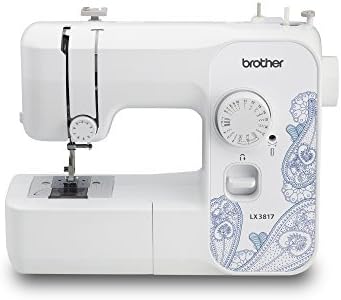
A light full size mechanical machine with a molded carry handle is the practical answer. It lifts out with one hand, it does everything a household needs, and it takes ordinary needles and bobbins so replacements are easy to find anywhere.
If the Desk Is Genuinely Narrow
A compact machine with a shallow body wins here. Check the listing for a free arm, because the ability to sew a cuff or a pant hem in the round is the feature you would miss most, and some very small machines do not have one.

If the Machine Can Stay Out
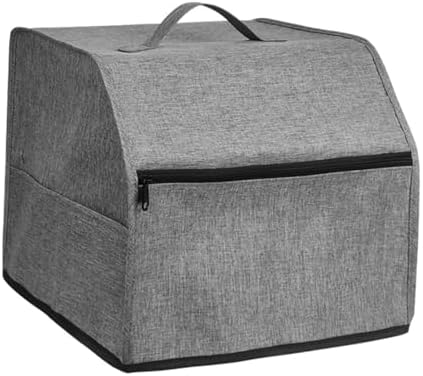
A dust cover changes everything, because a machine that is covered rather than boxed is a machine you use. Hard cases protect better and take more shelf space, quilted covers take almost none and keep dust and cat hair out.
If Light Is the Real Problem
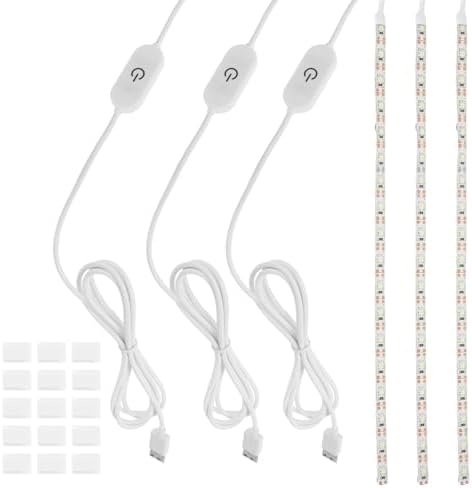
Small rooms are often dim, and the built in light on most machines throws a shadow directly under the presser foot. A clip on LED strip that sticks to the machine body removes that shadow, and it costs less than almost anything else you can buy.
Comparing the Small Space Setups
Four arrangements cover most apartments. The right one depends on whether you can leave anything out.
| Setup | Space used | Setup time | Suits |
|---|---|---|---|
| Full size machine, stored in a cupboard | None when packed away | A few minutes each session | Occasional sewing, shared rooms |
| Compact machine on a narrow desk | A shallow permanent footprint | Almost none | Frequent mending and small projects |
| Full size machine under a cover | A permanent corner | Lift the cover and sew | Anyone with a spare corner |
| Folding table, machine stored under it | Folds flat between sessions | Moderate | Studios and shared living rooms |
Storage Is the Part That Decides Everything
The machine is the smallest part of a sewing setup. Fabric, thread, cutting mat, iron and the current project take more room than the machine does, and in a small space they are what actually has to be solved. A single lidded box that holds the project and the tools is worth more than any feature on a machine.
Keep the cutting mat somewhere flat, because a mat stored curled against a wall keeps that curve and never lies right again. Under a bed or behind a wardrobe works. And keep the thread out of direct sunlight, since light and dry heat make old thread brittle, which is explained in our thread storage article.
Frequently Asked Questions
Is a mini machine a good choice for an apartment? Usually not. Mini machines save less space than people expect and give up feeding strength and stability. A compact full function machine is a better answer, and the mini category is examined honestly in our mini machine article.
How much table do I need? Enough for the machine plus a hand’s width in front and somewhere for the fabric to rest to the left. A small table with a chair at the correct height beats a large table at kitchen height.
Are sewing machines loud enough to annoy neighbors? The vibration through the floor carries further than the sound does. A mat under the machine and a table away from a shared wall solves most of it.
Can I sew on the dining table? Yes, and plenty of people do. Use a mat to protect the surface and to damp vibration, and keep everything else in one box so the setup and the clear up are quick.
Do I need a case if the machine stays home? A soft cover is enough for a machine that stays put. A hard case is for machines that travel, and the difference is set out in our case guide. If yours does travel, see also what portable really means.
The Bottom Line
Choose on depth, on whether the machine keeps a free arm and standard consumables, and on where it will live between sessions. A cover so the machine can stay out, a mat to damp vibration and a clip on light will improve a small space setup more than swapping machines will. Read next: choosing a sewing table for a small room and what portable actually means.