Last updated: August 21, 2026
The Singer 4411 is the cheapest way into the gray heavy duty range, and it is the model people either love or quietly replace within a year. Which of those happens is decided almost entirely by one question that nobody asks at the checkout: do you sew buttonholes?
This review is about what eleven stitches and a four step buttonhole really cover, where the 4411 is identical to its more expensive siblings, and the two situations in which spending a little more is the obviously better call. Everything Singer publishes about the machine is here, and nothing has been invented to fill a gap.
This article contains affiliate links. If you buy through them, we may earn a commission at no extra cost to you. Learn more.
Quick Answer
Who is the Singer 4411 actually right for?
- Anyone whose sewing is hemming, mending, curtains and repairs rather than garment making.
- Singer lists 11 built in stitches, 69 stitch applications and a four step buttonhole you steer yourself.
- Singer lists the same metal interior frame, stainless steel bed plate and 1,100 stitches per minute as for the pricier models in the range.
- No built in needle threader is listed, and there is no one step buttonhole. Those are the two daily annoyances.
Bottom line: as a straight stitch workhorse it is genuinely good value. If you sew clothes with buttons, step up to the 4423 and stop reading here.
What You Get for the Lowest Number in the Range
Singer lists the 4411 with 11 built in stitches and 69 stitch applications, a four step buttonhole with the steps printed on the selector dial, a heavy duty metal frame with a stainless steel bed plate, a top drop in Class 15 transparent bobbin, an extra high presser foot lifter and four presser feet. Listed weight is 14 pounds.
Singer puts the maximum speed at 1,100 stitches per minute and describes the motor as sixty percent stronger than a standard sewing machine motor. Those are the same figures Singer publishes for the 4423, 4432 and 4452, which is the single most useful fact in this review.
The Eleven Stitches, Honestly Counted
Straight stitch, zigzag, a blind hem, a stretch stitch or two, a few utility patterns and the buttonhole sequence. That is a complete toolkit for repair sewing and a thin one for dressmaking. Most home sewers use four stitches for years, so eleven is less limiting than the number suggests. What limits you is the buttonhole method, not the stitch menu.
The Four Step Buttonhole Is the Whole Argument
On the 4411 you turn the selector through four positions and judge the length yourself, stopping and repositioning at each stage. It works, and generations of sewers learned on exactly this method. It is also slower, less consistent between buttonholes, and the part of the machine people complain about most once they start making garments.
A one step buttonhole, which arrives on the 4423, takes the button itself as the measurement and sews the whole shape in one pass. Six identical buttonholes down a shirt placket is a two minute job on one and a careful half hour on the other.
When It Genuinely Does Not Matter
If your sewing year contains no buttonholes, the four step dial costs you nothing at all. Hemming jeans, taking in a waistband, shortening curtains, running up cushion covers, repairing a torn seam and making simple bags all happen without one. That is a large share of real home sewing.

Where the 4411 Is Identical to the Expensive Ones
The part that surprises people: the mechanical core does not change as you move up the range. Singer publishes the same metal interior frame, the same stainless steel bed plate, the same Class 15 top drop in bobbin and the same 1,100 stitches per minute for all four models. You are not buying a weaker machine by buying the cheapest one.
| Model | Built in stitches | Buttonhole | Needle threader |
|---|---|---|---|
| Singer 4411 | 11 stitches, 69 applications | Four step, dial guided | Not listed |
| Singer 4423 | 23 stitches, 97 applications | One step, auto sized | Built in |
| Singer 4432 | 32 stitches, 110 applications | One step, auto sized | Built in |
| Singer 4452 | 32 stitches, 110 applications | One step, auto sized | Built in |
All four rows come from Singer’s own product pages. The full breakdown of what ships in each accessory box is in our comparison of the heavy duty range.
Living With No Needle Threader
Singer does not list a built in needle threader for the 4411, and that is a small daily tax rather than a dealbreaker. You thread by eye or with a handheld threader, which takes a few seconds when the light is good and considerably longer when it is not.
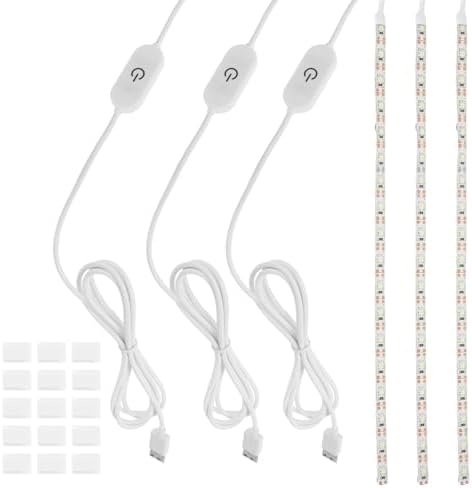
Two cheap fixes make it a non issue. A pack of handheld wire threaders costs almost nothing and lives in the accessory tray, and better light over the needle does most of the rest.
Cut the Thread End Cleanly
A thread end that has been snapped rather than cut frays into a brush that will not pass the eye. Cut at a slight angle with sharp scissors and you thread on the first attempt far more often. A dedicated lamp over the needle bar does the rest, since the real obstacle is the shadow the presser foot throws. Our sewing light guide covers the clip on and strip options.
What It Does Well, and Where It Stops
It does hems, repairs, curtains, cushion covers and bag work with the sort of steadiness a light plastic machine cannot manage. The weight and the metal frame stop it walking across the table when the needle hits a thick seam, and the extra high presser foot position gets bulk under the foot in the first place.
It stops where every domestic machine stops. Heavy duty is a marketing phrase and not a standard, and this is a home machine with a home feed system. Our guide to sewing thick fabric covers the needle, thread and technique side that decides more than the badge does.
Buy the Needles the Same Day
The universal needles that come in the box are the wrong tool for the job most 4411 buyers have in mind. A denim point in a heavier size goes through folded seams instead of skidding off them, and a fresh needle fixes more problems than any adjustment. Our needle guide explains the sizes.

Who Should Buy the 4411
Buy it if you want a solid mechanical machine for repairs and household sewing, if you have outgrown a lightweight beginner machine that skips and shifts, and if buttonholes are rare enough in your sewing that a dial is fine.
Do not buy it if you are making clothes, if a needle threader is the feature that keeps you sewing, or if you want the walking foot and non stick foot in the box. In those cases the range steps up for you, and our heavy duty buying guide lines up the alternatives from other brands too.
Frequently Asked Questions
Is the Singer 4411 good for beginners? For repair and household sewing, yes. It is simple, there is no menu to learn and the stitch dial is self explanatory. The catch is speed: Singer lists 1,100 stitches per minute with no speed limiter, so a first timer controls everything with the foot pedal. Practice on scrap before touching a real project.
What is the difference between the 4411 and the 4423? Stitch count, buttonhole and threader. Singer lists the 4411 at 11 stitches with a four step buttonhole and no needle threader, and the 4423 at 23 stitches with a one step buttonhole and a built in threader. Frame, bed plate, bobbin class and speed are the same.
Can the 4411 sew denim? Yes, with a denim point needle in a heavier size and a slow approach over folded seams. This is the job buyers most often describe using it for. What it will not do is heavy leather or webbing, which is dealer machine territory.
Does it have a free arm? Yes. The accessory tray slides off to expose the free arm, which is what makes hemming trouser legs and sleeve cuffs practical. This is the feature you will use every time you shorten a pair of jeans.
What bobbins fit it? Singer lists Class 15 transparent bobbins in a top drop in bobbin case, the same class used across the heavy duty range. Older Singer machines often use a different class, so check before buying a bulk pack.
The Bottom Line
The 4411 is the honest budget entry to a range that shares one chassis, so the money you save comes out of convenience and not out of build. It hems, it mends, it holds still on thick seams, and it makes buttonholes the slow way. Decide on that one feature and the rest of the decision makes itself. Read next: our comparison of all four heavy duty Singers and the 4423 review if buttonholes are in your future.