Last updated: August 22, 2026
Ask this question in any sewing group and you get two confident answers. One says mechanical machines last forever and computerized ones die when the board fails. The other says computerized machines sew better stitches and anyone still turning a dial is being sentimental. Both camps are describing something real and both are overstating it.
What follows is the comparison without the folklore: what the two types actually do differently at the table, what genuinely fails on each, and which one suits a first machine. The short version is that this choice is about how you like to interact with a machine, not about which one is better made.
This article contains affiliate links. If you buy through them, we may earn a commission at no extra cost to you. Learn more.
Quick Answer
Computerized or mechanical for a first sewing machine?
- Mechanical: dials and levers, your foot sets the speed, fewer things to configure, easy for any shop to service.
- Computerized: a screen, buttons, a speed limiter, needle up and down, and far more stitches you can select precisely.
- Stitch quality is close on comparable models. The difference people notice is control, not stitch shape.
- Both need the same care. Lint, dull needles and bad thread cause most complaints on either type.
Bottom line: choose mechanical for directness and simplicity, computerized for speed control and convenience.
What Actually Differs Inside
Both types use the same core mechanism: a motor turns a shaft, the needle goes up and down, a hook catches the loop and a bobbin thread locks it. The difference is how stitch width and length get set. Mechanical machines move linkages with cams and dials; computerized machines position the needle with a small stepper motor under software control.
That single change explains everything downstream. Precise electronic positioning is what allows a wide stitch library, one step buttonholes sized to the button, needle up and down on a button, and a speed cap independent of the pedal. It also introduces a circuit board, which is the part people worry about.
How Each One Feels at the Table
A mechanical machine feels like a tool. You turn a dial, the stitch changes, and the motor does exactly what your foot asks. A computerized machine feels like a small appliance. You press a button, the screen confirms it, and the machine will not exceed the speed you set no matter how hard you press.
Where Mechanical Wins
Nothing to page through. Stitch selection is one dial and the setting is visible at a glance, from across the room, with no lighting requirements. There is also no start up state to get wrong, which matters more than it sounds when you sew in short bursts between other things.
The other win is service. Any repair shop can work on a mechanical machine, adjustments are mechanical, and older ones are still going. That is a real advantage in rural areas and a real advantage for anyone who inherits a machine. Our page on when to take a machine in covers what shops handle either way.
Where Computerized Wins
Speed control is the big one. A slider caps the maximum, so a nervous first seam runs slowly by design rather than by willpower. Add a start and stop button and you can sew without the pedal at all, which is genuinely useful for anyone with limited mobility in one leg.
Then the small conveniences stack up: the needle stops in the down position so the fabric cannot shift when you pivot, the buttonhole is one step and sized to the button you dropped in the foot, and the stitch you select is the stitch you get without dialing width and length separately.
The Reliability Argument, Honestly
Mechanical machines have more wearing parts and fewer electronics. Computerized machines have fewer wearing parts and a board that can fail. In practice, both types are usually brought in for the same reasons: timing knocked out by a needle strike, tension problems, or lint packed under the needle plate.
The genuine asymmetry is what happens at the extreme. A worn mechanical part is usually replaceable for years after purchase. A failed board on an older computerized machine can end its economic life, because the part may no longer be stocked. That is a real risk, it is just far rarer than group folklore implies, and it does not apply within a normal ownership span.
Side by Side on What Matters
The comparison below sticks to things you will actually experience. Stitch quality is left out of the table on purpose: on comparable machines from the same maker, the difference is small enough that needle choice and thread quality swamp it.
| Point of difference | Mechanical | Computerized | Who should care |
|---|---|---|---|
| Speed control | Foot pedal only | Slider plus start and stop | Nervous starters, shared machines |
| Stitch selection | Dial, limited set | Button or screen, large set | Knits and decorative work |
| Buttonholes | Often four step | Usually one step, sized | Anyone making shirts |
| Learning curve | Shortest possible | An hour with the manual | First time buyers |
| Long term service | Any shop, parts common | Board parts age out | Keepers and inheritors |
Which One for a First Machine
If the appeal of sewing is making things and you want the machine to be invisible, mechanical is the cleaner choice. If the appeal is control and you would rather have the machine take one variable off your hands, computerized is worth the extra hour of setup. Neither choice will hold you back.
There is one situation where the answer is not balanced. If the machine will be used by a child, a teenager, or anyone who finds pedal control difficult, the speed limiter is close to essential and that means computerized. See the kids machine guide for the rest of that decision.
The Straightforward Mechanical
A dial driven machine with a drop in bobbin and an automatic needle threader, in the middle of the weight range so it stays put. Brother lists the XM2701 with 27 built in stitches, six sewing feet and a jam resistant drop in top bobbin, which is the shape most first time buyers land on. Detail is in the XM2701 review.

The Entry Computerized
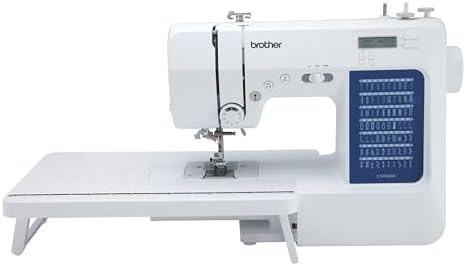
A machine with an LCD, a speed slider and a stitch library you can grow into. Brother lists the CS7000X with 70 built in stitches, adjustable sewing speed control, ten presser feet and a detachable wide table. The table is the part quilters notice first, and the CS7000X review covers where the stitches go.
The Accessory That Beats Both Arguments
Neither machine type fixes a dull or wrong needle, and needle choice affects your stitches far more than the dial versus screen question ever will. A mixed pack of universal, ballpoint and denim needles in a couple of sizes solves problems people blame on the machine. Start with the needle guide.

Frequently Asked Questions
Do computerized sewing machines sew better stitches? On comparable models the stitch quality is close. Computerized machines are more consistent at precise stitch width and length settings and at sized buttonholes. For plain straight seams in woven cotton, you would struggle to tell them apart on the finished garment.
Are mechanical sewing machines more reliable? They have no board to fail and are easier to service anywhere, which is a genuine advantage over decades. Within a normal ownership span, both types are brought in for the same three reasons: needle strikes, tension trouble and lint. Neither type is trouble free.
Is a computerized machine harder to learn? It adds about an hour with the manual, and then it removes work by capping speed and stopping the needle down. Beginners who dislike screens should choose mechanical, but nobody is held back by either. See the first seam walkthrough.
Can a repair shop fix a computerized machine? Mechanical adjustments, timing and tension, yes, on both types. Board level electronics are a different matter and depend on parts availability for that model. Ask locally before buying if long term serviceability is a priority for you.
Which type is better for quilting? Computerized, usually, because needle down, a speed slider and a wide table all help with large layers. That said, plenty of quilts are made on mechanical machines with a walking foot. Our quilting machine guide covers what actually matters there.
The Bottom Line
This is a preference, not a quality gap. Mechanical machines are direct, simple and serviceable anywhere. Computerized machines add speed control, needle position and precise stitch selection, at the cost of a board that can eventually age out of parts supply. For a first machine, pick mechanical if you want fewer things between you and the seam, and computerized if a speed limiter sounds like relief. Read next: what actually matters in a beginner machine and which stitches you really use.