Last updated: August 22, 2026
Quilting has a longer shopping list than most sewing, and a good half of it is optional. Walk into a quilt shop with a first project in mind and you will be shown rulers in a dozen sizes, specialty markers, seam guides, spray adhesives and a wall of thread. Very little of that is needed to finish a first quilt, and buying it all at once is the surest way to stall before the top is pieced.
What actually matters is a short list. Accurate cutting, something to hold the layers, thread that behaves, and a way to press. Everything else can wait until a specific project makes you want it, which is a much better way to build a toolkit than a shopping spree.
This article contains affiliate links. If you buy through them, we may earn a commission at no extra cost to you. Learn more.
Quick Answer
What quilting notions does a first quilt really need?
- A rotary cutter, a self healing mat and one long ruler. Accurate cutting is where a good quilt starts.
- Pins or clips to hold layers, plus something to baste the sandwich together.
- Fine piecing thread and a fresh pack of needles for the machine.
- A seam ripper and an iron. You will use both more than you expect.
Bottom line: buy cutting tools properly the first time and add specialty rulers only when a pattern demands one.
Cutting Tools Come First
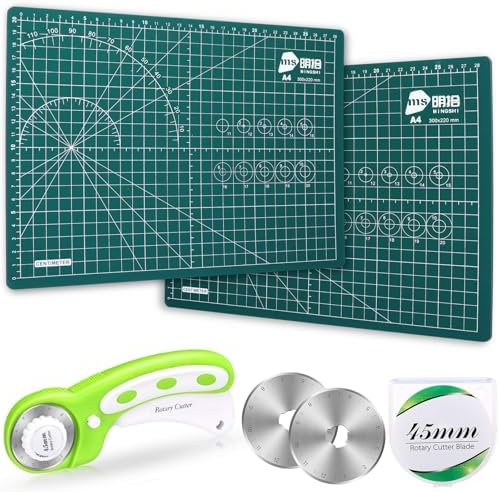
Almost every problem in a pieced top traces back to cutting. Pieces that are a fraction off do not line up, blocks come out different sizes, and the quilt fights you at every seam. A rotary cutter against a ruler on a self healing mat gives you straight, repeatable pieces in a way scissors cannot.
The three parts work as a set. The mat protects the table and keeps the blade sharp, the ruler gives the blade something rigid to run along, and the cutter does the work. Buying one without the others is a false economy, because a rotary blade on a bare table is dulled in a single session.
Which Sizes to Start With
A medium blade cutter handles most quilting fabric. For the mat, buy the largest one your table will take, since a mat smaller than your fabric means folding and refolding. For rulers, one long rectangular ruler covers strip cutting and squaring up, and a small square ruler is the useful second purchase. Sizes and the trade offs between them are covered in our mats and rulers guide.
Keep a pack of spare blades with the cutter. A dull rotary blade drags rather than slices, which pushes the fabric out of line under the ruler and makes you press harder than you should. Changing the blade is the fix people put off longest and regret most, and a fresh one transforms how a cutter feels.
Holding the Layers Together
Pins are the traditional answer and still the cheapest. Fine glass head pins go through cotton without leaving a mark and survive being ironed over. For binding and for thick seam intersections, clips hold better than pins do and keep your fingers away from the point.
Basting the Sandwich
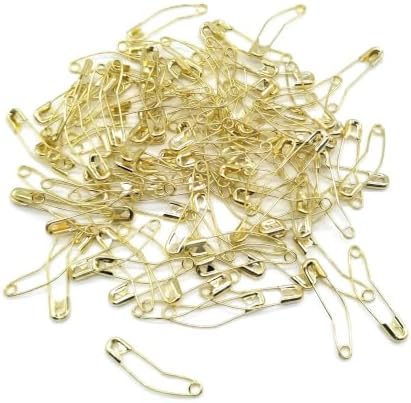
Once the top, the batting and the backing are stacked, they have to be held while you quilt. Curved safety pins placed every hand span are the standard method, and they are removed as you work. Temporary spray adhesive is the faster alternative and is worth trying on a small quilt before committing to it on a large one.
Whichever you use, do it on a hard flat surface rather than a bed, and smooth from the middle outward. A wrinkle basted into the backing becomes a permanent pleat once it is quilted over. Pins against clips for general sewing is covered in the clips and pins comparison.
Thread, Needles and the Machine Side
Piecing wants a fine, neutral thread that adds no bulk inside the seam, and you will get through more of it than you think. Machine quilting thread is a separate decision, because it either sinks into the fabric or shows on the surface. Buy the piecing thread in a large spool and the quilting thread to suit the design.
Needles are the other consumable. Start each quilt with a fresh one, and keep a few sizes on hand because batting and multiple seam intersections are harder on a needle than plain sewing. Which size for which job is set out in the needle guide, and the weight question is in the quilting thread guide.

What to Buy Now and What to Wait On
The table below splits the usual quilt shop list into things that pay for themselves on a first quilt and things that should wait until a pattern asks for them.
| Item | Buy now or later | Why | Note |
|---|---|---|---|
| Rotary cutter, mat, long ruler | Now | Cutting accuracy sets everything downstream | Buy the largest mat that fits |
| Pins, clips, basting pins | Now | Nothing holds itself while you sew | Curved pins for basting |
| Piecing thread and needles | Now | Consumables you will run out of | One large spool beats three small |
| Specialty rulers and templates | Later | Pattern specific, easy to over buy | Buy when a project needs one |
The Small Things That Save an Evening
A seam ripper with a sharp point, because unpicking is part of quilting and a blunt one damages fabric. A pair of small snips kept at the machine so you are not reaching for shears every seam. A marking tool that you have tested on a scrap of the actual fabric, since some marks are harder to remove than the packaging suggests.
Pressing Is a Tool Too
Quilting involves a great deal of pressing, and a quilt top that has been pressed properly behaves completely differently under the machine. You do not need a special iron. You do need a surface you can leave set up, because an iron that has to be fetched from a cupboard gets used half as often as it should be.
Fabric scissors kept away from paper are the last small thing. Cutting paper with fabric shears blunts them quickly, which is why quilters guard theirs. Sizes and blade types are compared in our scissors and cutters guide.

Frequently Asked Questions
Do I need a quilting kit or can I buy pieces separately? Kits are convenient and often good value on the cutting tools, but they frequently pad the contents with markers and templates you will not use. Compare the parts you actually want against the kit price before deciding.
How big should my cutting mat be? As big as your table allows. A mat that is smaller than a folded width of quilting fabric means extra folds and extra chances to cut crooked. Sizes are compared in the mats and rulers guide.
Are curved basting pins necessary? Not strictly, but they are much easier to push through three layers and back up again than straight safety pins. If you are basting anything larger than a baby quilt they are worth the small outlay.
What about batting? Batting is a project decision rather than a tool. Loft, fiber and how far apart you can quilt it are all stated on the packaging, and the maximum quilting distance is the number to read before you plan a design.
Do I need special feet as well? A walking foot and a quarter inch foot make a real difference to a first quilt. Which ones fit your machine is covered in the quilting feet guide.
The Bottom Line
Spend properly on cutting tools, buy enough pins or clips to hold what you are working on, and get thread and needles matched to the job. Leave the specialty rulers, the templates and the second cutter until a pattern makes the case for them. Read next: how a first quilt actually goes together and the presser feet that make quilting easier.