Last updated: August 21, 2026
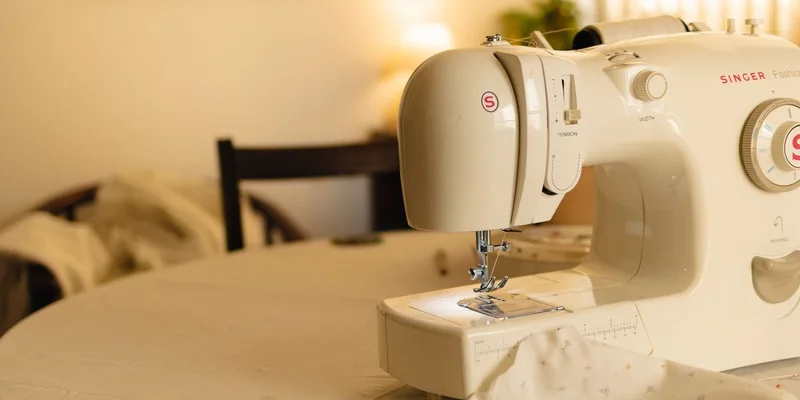
A home sewing machine sits on a little island. The bed is barely wider than your hand, and everything past the edge of it falls off into your lap. On a shirt sleeve that is fine. On a quilt, a curtain or a coat, the weight hanging off the front and the left drags the fabric backward while you sew, and the seam wanders no matter how carefully you steer.
An extension table fixes that by turning the island into a flat surface that carries the project. It is one of the least glamorous accessories in sewing and one of the few that changes stitch quality on big work immediately, because the machine is no longer fighting the weight of the thing you are making.
This article contains affiliate links. If you buy through them, we may earn a commission at no extra cost to you. Learn more.
Quick Answer
Do you need a sewing machine extension table?
- Yes if you quilt, sew curtains, coats or anything that hangs off the machine bed. The extra surface carries the weight instead of your left hand.
- Fit is the whole decision. Model specific tables sit flush, universal tables with adjustable legs fit many machines but need setting up level.
- Flush matters more than large. A table a millimeter higher than the bed catches every seam allowance you push across it.
- Check the free arm. A good table leaves the free arm accessible or lifts off easily when you need to sew a cuff.
Bottom line: buy for your model if a fitted table exists, and buy universal with adjustable legs if it does not. Level it before you judge it.
What an Extension Table Actually Changes
It changes the direction the fabric is being pulled. A quilt hanging off the left of the machine pulls the layers backward and sideways as you sew, which stretches the top layer, drags the seam off line and makes your stitch length uneven even though the feed dogs are doing the same thing they always do.
Put a flat surface under all that weight and the drag disappears. You steer the fabric instead of supporting it, which is a different physical task, and the difference is most obvious on free motion work where your hands need to be free to move the quilt rather than holding it up.
Why the Machine Bed Is So Small
The narrow bed is a deliberate design compromise: it gives you the free arm for sleeves and cuffs, and it keeps the machine portable. Nothing is wrong with your machine. It was built to be carried and to sew tubes, and the flat surface is the accessory that fills in the gap for big flat work.
Model Specific or Universal
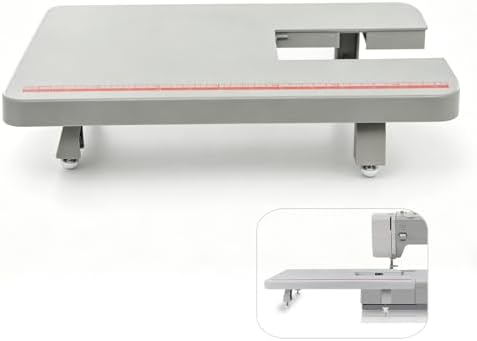
A model specific table is cut to the outline of your machine, sits on the bed at exactly the right height and needs no adjusting. A universal table has a large opening and adjustable legs, so it clears the machine and is leveled by hand. The fitted one is easier, the universal one is often the only option for older or less common models.
Both approaches work, and the failure mode is the same for both: a surface that is not exactly level with the bed. A lip on the leading edge catches the fabric as it comes toward you, and a dip on the trailing edge lets the work drop just as it leaves the foot.
The Types, and What Each One Suits
Extension tables fall into four rough families. The choice comes down to how big your projects are, whether you need the free arm regularly, and how much you move the machine around.
| Type | Fit | Stability | Best for |
|---|---|---|---|
| Model specific acrylic | Cut to your machine | Very good, no adjusting | Owners of a common current model |
| Universal with adjustable legs | Fits a wide range | Good once leveled | Older or less common machines |
| Wide quilting table | Usually universal | Needs a solid table under it | Large quilts and free motion work |
| Drop in cabinet insert | Custom cut plate | Best of all, machine sits flush | A permanent sewing space |
Sizes and fitment vary by product, so check the listing for the machine models a table names before ordering. This table sorts the categories rather than specific products.
What to Buy for Your Situation
The right table depends on which machine you own and what you make. The groupings below cover the four situations that account for most purchases, and in each case the fit note matters more than the size.
If You Own a Current Brother Computerized Model
Brother’s popular computerized machines are common enough that fitted acrylic tables exist for them, which removes the leveling job entirely. Check the model number on the listing rather than assuming a family fit, since bed outlines differ across the range.
If Your Machine Is Older or Less Common
A universal table with adjustable legs is the practical answer when nothing is made for your model. The legs let you match the bed height exactly, and the large opening clears most domestic machines.

If You Sew Denim and Heavier Work on a Singer
The Singer heavy duty machines are common in home workshops and often used for curtains, bags and denim, all of which are heavy enough to drag off the bed. A fitted table keeps that weight supported while you feed thick seams.
If You Are Quilting a Large Quilt
For free motion work you want the widest flat surface you can fit on your table, so that the quilt slides rather than catches. A wide acrylic quilting table with a smooth surface is the one to look at here.

Setting It Up So It Helps Rather Than Hinders
Level the table with the bed before you sew anything on it. Put a ruler across the join and look along it from the side, then adjust the legs until the ruler sits flat on both surfaces. A leading edge even slightly high will catch a seam allowance on every pass and drive you to distraction.
The Table Under the Table
An extension table only works if the surface it stands on is solid. On a wobbly folding table the extra leverage makes the wobble worse, because the machine and the table now move as one large unit. If the whole setup shifts when you sew fast, the fix is a better table rather than a bigger extension, and our guide to a sewing machine table covers the options.
For a very large quilt, a table alone is not the whole answer. Managing the bulk on a domestic machine is its own skill, and quilting a king size quilt at home covers how people actually get it through the harp space.
Frequently Asked Questions
Is an extension table worth it for a beginner? Not immediately. For garments, cushions and small projects the machine bed is adequate. The moment you start a quilt, curtains or a coat, the table becomes one of the most useful things you can add.
Will a universal table fit my machine? Usually, if the listing names your model or gives an opening size that clears your machine. Measure the length and width of your machine base first, since a table with too small an opening will not sit down over it.
Does an extension table block the free arm? Most cover it while fitted, which is why the ability to lift the table off easily matters. Some fitted tables leave the free arm accessible. If you sew a lot of sleeves and cuffs, check that before ordering.
Can I make one myself? Plenty of people do, from plywood or acrylic sheet with a cut out for the machine. The two things to get right are a flush height and a smooth low friction surface. It is a build project rather than a purchase, and the fit tolerance is tighter than it looks.
What surface should the table have? Smooth and slightly slippery, so fabric slides rather than grips. Acrylic is the usual choice for this reason. A textured or grippy surface fights you during free motion quilting.
Do I still need a walking foot with an extension table? They solve different problems. The table stops the weight of the quilt from dragging, and a walking foot stops the layers from shifting against each other under the presser foot. Quilters generally use both, as covered in quilting feet.
The Bottom Line
An extension table takes the weight of a big project off your hands and off the seam, which is why quilters buy one early and garment sewers often never need one. Buy a fitted table if one exists for your model, buy universal with adjustable legs if not, and level it against the bed before you decide whether it helps. Read next: our sewing machine table guide for the surface underneath, sewing machine for quilting for throat space, and quilting a king size quilt at home.