Last updated: August 22, 2026
A sewing machine with embroidery built in is one of the most tempting things on the shelf. One box, two crafts, and a picture on the front of a monogrammed towel that looks like something you could give away at Christmas. If you are already buying a machine, the small step up to one that also stitches designs feels like an obvious upgrade.
It usually is not, and the reason has nothing to do with the machines being bad. They work. It is that a combination unit quietly asks you to take up a second hobby with its own supplies, its own vocabulary and its own failure modes, while giving you slightly less sewing machine for the money than a dedicated one would.
This article contains affiliate links. If you buy through them, we may earn a commission at no extra cost to you. Learn more.
Quick Answer
What do you give up with a combination sewing machine?
- Sewing capability for the money. Some of the budget goes into the design side rather than into the frame, the feet and the work area.
- Simplicity. You take on hoops, stabilizer, design files and thread changes before you have finished learning to sew.
- Time. A design is not a button press. Hooping, stabilizing and watching it run takes most of an afternoon.
- A small hoop area on entry models, which limits designs more than most buyers expect.
Bottom line: if you want to sew, buy a sewing machine. Add the other craft later, deliberately, once you know you want it.
What a Combination Machine Actually Is
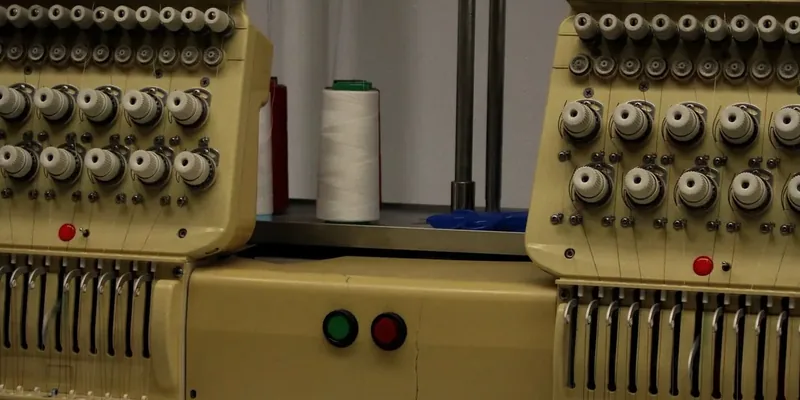
It is one machine that does two jobs: ordinary sewing, and embroidery stitched out from a digital file. In sewing mode it works like any computerized machine, with a stitch menu, a presser foot and a foot pedal. In embroidery mode you take off the standard setup, clip on a hoop with fabric and stabilizer stretched in it, load a design file, and the machine moves the hoop while it stitches.
Those are genuinely different activities. Sewing is you steering fabric under a needle. The other mode is you preparing a hoop correctly and then supervising a machine that runs on its own for twenty minutes. Enjoying one does not mean you will enjoy the other.
What You Give Up on the Sewing Side
Every machine is built to a price, and a combination unit spends part of that price on a second mechanism. Put a combination machine next to a dedicated computerized machine at the same money and the dedicated one usually has more of what a sewer notices: included feet, work area, and features like a wide table.
The Comparison Buyers Rarely Make
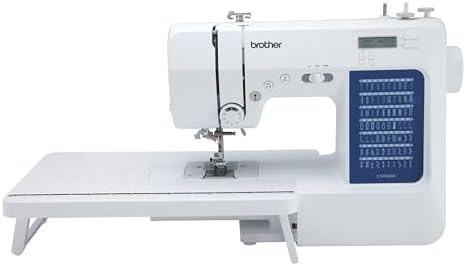
Brother lists 70 built in stitches, 10 included feet and a detachable wide table for the CS7000X, and 60 stitches with a metal frame and seven feet for the CS5055. Those are sewing features you use every session, and they are the sort of thing that gets thinner when the budget has to cover two functions.
None of that means combination machines sew badly. It means that if sewing is the point, your money buys more sewing when it is not being split. That is the trade, stated plainly, and it is why our beginner guide steers people toward dedicated machines first.
The Supply Chain Nobody Mentions
Embroidery needs things a sewing project does not. Stabilizer in several types, because the wrong one puckers the fabric. Special thread on cones or spools. Bobbin thread specific to the job. Hoops in different sizes. And design files, which you buy, download and convert to whatever format your machine reads.
That is an ongoing cost and an ongoing learning curve, and it arrives all at once on the first evening. Plenty of people enjoy it. Plenty of others put the hoop back in the box after two attempts and use the machine as an expensive sewing machine, which is the outcome worth planning around.
Hoop Size Is the Limit You Will Meet First
The hoop area sets the maximum size of a single design. Entry combination machines have small hoops, which is fine for a monogram on a shirt pocket and frustrating the moment you want a design across the back of a jacket or a name on a large towel.
Larger hoop areas cost considerably more, and this is where the price of the category climbs quickly. If a specific project is driving the purchase, check the hoop area first and work backward, because it decides more than the stitch count or the screen size does.
When a Combination Machine Is the Right Call
Three situations. You already sew confidently and want to add decoration to things you make. You have a specific recurring job, like naming children’s clothes or making gifts. Or space is genuinely tight and two machines will not fit anywhere in your home.
And When It Is Not
If you are buying your first machine, if your list of projects is hems and repairs, or if you are buying it as a gift for someone who has not asked for it. In all three cases the second function adds cost and complexity to a purchase that should be as simple as possible, as set out in what to check before giving a machine.
The honest alternative is to buy a good dedicated machine now and revisit the question in a year. By then you will know whether you want to decorate what you make, and you will be buying with an informed opinion rather than a picture on a box.

Two Machines or One
The comparison that matters is not between two combination models. It is between one combination machine and one dedicated sewing machine, on the things you will do most weeks.
| Question | Combination machine | Dedicated sewing machine | Matters if |
|---|---|---|---|
| Sewing features per dollar | Split across two functions | All of it goes into sewing | Sewing is the main activity |
| Setup time for decoration | Hooping, stabilizer, file loading | Not applicable | You want quick results |
| Ongoing supplies | Stabilizer, special thread, designs | Needles, thread, bobbins | You dislike consumable costs |
| Space taken | One machine, one job at a time | One machine, always ready to sew | Your table is shared with dinner |
Frequently Asked Questions
Can a combination machine sew normally? Yes. In sewing mode it behaves like a computerized machine with a stitch menu, a foot pedal and the usual presser feet. The question is not whether it sews, but whether it sews as well as a dedicated machine at the same price, and usually it does not.
Is it cheaper to buy one combination machine or two machines? One machine is cheaper up front and takes less space. Two machines give you more capability in each craft and let you keep sewing while a design runs. Which is better depends entirely on whether you will use the second function regularly.
Do I need special thread and stabilizer? For embroidery, yes. Stabilizer supports the fabric so the stitching does not pucker, and it comes in several types for different fabrics. That is the ongoing supply cost that surprises most first time buyers.
Should a beginner buy one? Generally no. Learning to sew is enough for a first machine, and the second function adds cost and complexity you do not need yet. Start with our beginner picks and revisit the idea once you are comfortable at the machine.
What if I mainly want to quilt? Then the features to look for are throat space, drop feed, a walking foot and a wide table, none of which are improved by adding a design function. Our quilting guide covers what actually matters for that work.
The Bottom Line
A combination machine is a reasonable purchase for someone who already sews and wants to decorate what they make. As a first machine it splits your budget, adds a supply chain and a learning curve, and gives you a smaller hoop than you will want within a month. Buy the sewing machine you would buy anyway, and add the second craft later if the wish survives a year. Read next: the Brother lineup explained, and computerized or mechanical to settle the more useful question first.