Last updated: August 22, 2026
There is no single best sewing machine for beginners, and the pages that pretend otherwise all end up recommending the same three models for six different people. A machine that suits someone hemming work pants in a laundry room is the wrong machine for someone starting a quilt on a dining table, and both are wrong for a teenager learning on weekends.
So this page is organized by situation instead of by rank. Six situations, one recommendation shape for each, with what the pick gives you and what it costs you. The detail on individual models lives in the reviews; what follows is the decision.
This article contains affiliate links. If you buy through them, we may earn a commission at no extra cost to you. Learn more.
Quick Answer
Which beginner sewing machine should you buy?
- Simplest start: a mechanical machine with a stitch dial, a drop in bobbin and an automatic needle threader.
- Most room to grow: a computerized machine with a speed slider and a detachable wide table.
- Smallest footprint: a lightweight portable with accessories stored in the free arm.
- Mending and hemming only: a basic six stitch mechanical, and skip the handheld gadgets.
Bottom line: match the machine to the job that made you shop, then check that it has speed control and a bobbin you can see.
How These Picks Were Chosen
Every pick below has to clear the same bar: a visible bobbin, a printed threading path, a free arm, and a stitch set that covers straight, zigzag, blind hem and a buttonhole. Past that bar, each situation gets whatever solves its particular problem, which is usually speed control, footprint or table space.
What is not in the ranking is stitch count. It is the number the listings shout, and it is the number that changes a first year least. If you want the reasoning in full, what actually matters in a beginner machine sets out the four features you touch every session.
The Six Situations
Read down the list until one of them sounds like your kitchen table. The differences between these machines are real but narrow, so the situation you are in matters more than any spec comparison you could run between them.
Best Overall Start: The Straightforward Mechanical
A dial, a needle, and no menu. This is the machine most first time buyers should get, and the one that gets handed down still working. The XM2701 sits here because Brother lists it with 27 built in stitches, six sewing feet, an automatic needle threader and a jam resistant drop in top bobbin, which is precisely the beginner feature list and nothing extra.
What you give up is the speed limiter and the start and stop button, so your right foot does all the pacing. That is a real learning curve for a week and a non issue after that. Full detail is in the XM2701 review.

Best If You Expect to Keep Going: Computerized With a Wide Table
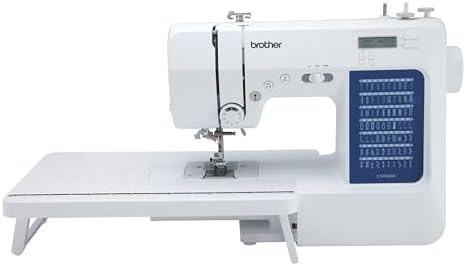
If you already suspect this will become a hobby rather than a chore, buy the machine that will still fit in two years. Brother lists the CS7000X with 70 built in stitches, an LCD display, ten presser feet, adjustable speed control and a detachable wide table, and the table alone changes how large projects behave.
The trade is a small screen and buttons, which some people find easier and some find like clutter. It is not more fragile in any way you will notice. See the CS7000X review for where the extra stitches go.
Best for a Small Space: The Lightweight Portable
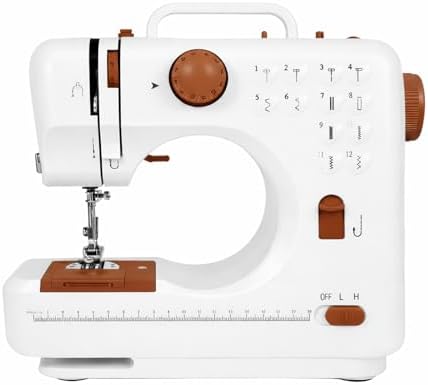
When the machine has to come out of a cupboard and go back after every session, weight and a carry handle stop being trivia. Singer lists the M3500 with 32 built in stitches, a one step buttonhole, a built in needle threader, LED lighting and accessories stored in the front compartment, in a body meant to be picked up.
The honest cost of light machines is stability. On several folded layers a light body wants to move, and you feel it. If that is your regular work, buy heavier. See the M3500 review and machines for small spaces.

Best Plain Machine for Mending and Hems
If the plan is pants, curtains and repairs, a six stitch mechanical does everything you need and asks nothing of you. Singer lists the Start 1304 with six built in stitches at preset width and length, automatic bobbin winding, a four step buttonhole and a removable free arm, which is the shortest possible route from box to hem.
You cannot grow far on it, and that is the point. It is also the correct answer to anyone eyeing a handheld gadget for the same job. See the Start 1304 review.
Best for a Teenager or a Supervised Child
Here the deciding feature is a speed limiter, so the machine cannot bolt when a foot presses too hard. A full size machine with a speed slider is usually a better buy than a toy sized one, because the toy sized ones are harder to thread and less stable. Adult supervision, needles changed with the power off, and a finger guard where one is offered.
Our full treatment of that is the kids machine guide, including which safety features are real and which are stickers.
Best If Your First Project Is a Quilt
Quilting asks for two things a general beginner machine may not have: table space to the right of the needle, and the ability to drop the feed dogs for free motion work. A computerized machine with a wide table covers the first, and a walking foot handles the layers. Start with the quilting machine guide before you buy anything specialized.

The Six Picks Side by Side
The table compares the shapes rather than the badges, because the situation is what decides. Specifications named here come from the manufacturer listings for each model, and anything not listed by the maker is left out on purpose.
| Situation | Machine shape | Key feature | What you give up |
|---|---|---|---|
| Overall start | Mechanical, mid weight | Dial selection, drop in bobbin | No speed limiter |
| Room to grow | Computerized with table | Speed slider, wide table | A screen to learn |
| Small space | Lightweight portable | Carry handle, stored accessories | Stability on thick seams |
| Mending only | Basic mechanical | Preset stitch settings | Little room to grow |
| Teen or child | Full size with slider | Capped top speed | Still needs supervision |
| First quilt | Computerized plus feet | Table space, droppable feed dogs | Costs more up front |
What None of These Picks Will Do
None of them is a substitute for a serger, none of them will sew upholstery leather, and none of them makes a bad needle behave. Beginner machines share a ceiling: light to medium woven fabric, a few layers, and knits if you fit the right needle. Push past that and you are shopping in a different silo.
If your plan involves canvas, webbing or several layers of denim seam, read what heavy duty actually means first, because the label on the box is marketing rather than a standard. If it involves finishing knit edges properly, the serger question is worth answering before you spend twice.
Frequently Asked Questions
What is a good sewing machine for a complete beginner? A mid weight mechanical with a drop in bobbin, an automatic needle threader and a printed threading path. It covers straight stitch, zigzag, blind hem and a buttonhole, which is the whole first year. Add a speed slider if you want the calmest possible start.
Is a more expensive beginner machine worth it? Up to a point. Paying more buys stability, a wide table, speed control and better lighting, all of which you notice. Paying more for stitch counts buys patterns you will not select. Spend the difference on needles, thread and bobbins instead.
Can a beginner machine handle jeans? It can hem a pair of jeans with a denim needle and a slow, deliberate pass over the side seams. What it does not like is stacked thick seams at speed. Our guide to sewing denim covers the needle and thread side, which is most of it.
Should I buy the bundle with all the extras? The bundles usually add thread, bobbins and needles of mixed quality. They are convenient rather than valuable. Buy the machine on its own merits and pick your own starter supplies.
How long should a first machine last? Longer than most people expect if it is kept clean and given fresh needles. Lint under the needle plate and a needle left in for months cause more machine complaints than wear ever does. Warranty terms differ by brand and region, so check the manufacturer rather than any general claim.
The Bottom Line
Pick by situation, not by rank. A plain mechanical is the right first machine for most people, a computerized model with a wide table is right if you expect this to stick, a lightweight portable is right if storage decides everything, and a basic six stitch machine is right if the job is hems and repairs. Whatever you choose, check for a visible bobbin and speed you can control before you check anything else. Read next: what actually matters in a beginner machine for the reasoning, and the three features that decide it if you want the short version.